
Introduction
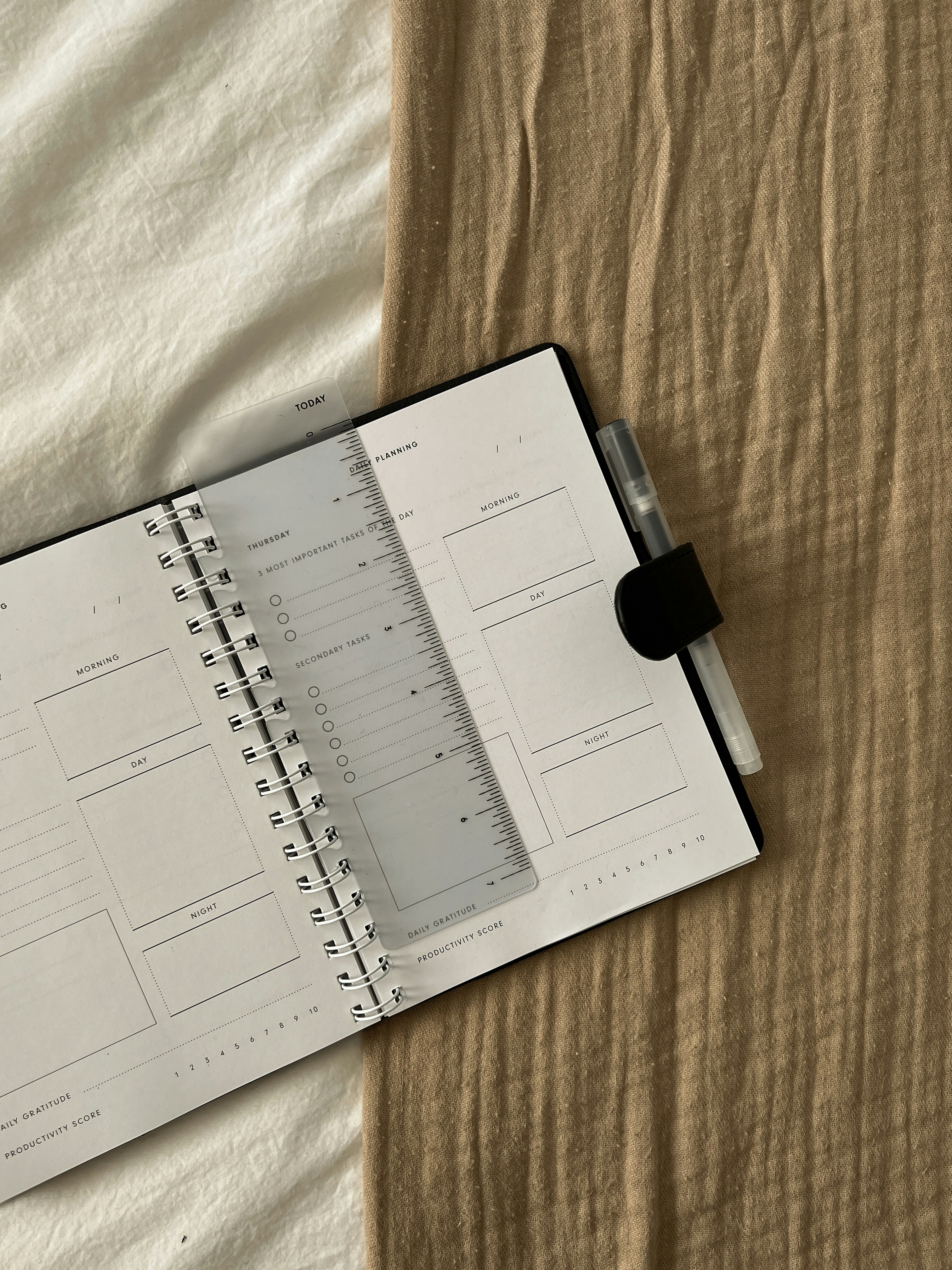
In today’s fast-paced digital world, the concept of planning has evolved significantly from traditional paper planners to sophisticated digital options. One of the most popular formats for digital planning is the PDF planner, which allows users the flexibility and convenience of managing their schedules and tasks electronically. Digital planners come with various features that enhance productivity and organization, making them suitable for both personal and professional use.
Among the myriad of apps available for using PDF planners, GoodNotes stands out as a favored choice. GoodNotes is renowned for its user-friendly interface and its ability to seamlessly integrate handwriting and typed notes. This application not only provides tools for annotation but also enables efficient management of PDF planners. As a result, users can enjoy an organized approach to planning, setting it apart from the experience offered by traditional paper planners.
Utilizing a digital planner offers several benefits over conventional paper planners. Firstly, digital planners are often more environmentally friendly, minimizing paper waste. Secondly, they provide easy access through various devices, allowing users to plan on the go. Additionally, features such as searchability, the ability to add hyperlinks, and unlimited digital space are substantial advantages over paper formats. Moreover, for those wondering how to import digital planner to GoodNotes, the process is straightforward, making it an attractive option for anyone looking to transition to a digital format.
In summary, digital planners, particularly PDF planners used within the GoodNotes app, offer a versatile solution to personal and professional organization. With the benefits they provide, coupled with the ease of importation into GoodNotes, transitioning from traditional to digital planning is both simple and efficient.
Requirements for Importing PDF Planners
To effectively learn how to import digital planner to GoodNotes, it is essential to understand the specific requirements associated with this process. Firstly, the user must have a compatible device. GoodNotes is available on iOS and iPadOS devices, specifically devices like the iPad, which allows for a seamless digital planning experience. Additionally, for the optimal performance of the app, it is crucial to ensure that the device’s operating system is updated to the latest version.
Next, the GoodNotes app must also be of the latest version. Regular updates often include improved functionalities and bug fixes that can enhance the user’s experience. To check for an update, users can visit the App Store and look for any available updates for GoodNotes. Installing the latest version guarantees that all features required for importing PDF planners function correctly.
When it comes to the type of files compatible with GoodNotes, it is important to note that the app supports PDF formats exclusively. Therefore, your digital planner should be saved in PDF format for a successful import. Furthermore, specific features of the PDF planner, such as hyperlinks, bookmarks, and fillable fields, are also supported by GoodNotes, allowing for an interactive experience. Users should confirm that their PDF planner adheres to these guidelines to ensure full compatibility.
In conclusion, by ensuring the device is compatible, having the latest version of GoodNotes, and using the correct file format, users can confidently proceed with importing their new PDF planner into GoodNotes. This preparation is vital for a smooth transition and optimal functionality within the app, enhancing the overall planning experience.
Downloading Your PDF Planner
The initial step in the process of how to import digital planner to GoodNotes involves downloading your PDF planner from its source. The method for downloading the planner will largely depend on where it is hosted, which could be a website, an email attachment, or cloud storage, such as Google Drive or Dropbox.
If you are downloading the planner from a website, navigate to the page where the planner is available. Look for a download button or link, which is typically prominently displayed. Click on this link, and your browser should prompt you to either open the file in your PDF viewer or save it directly to your device. Opting to save the file is advisable for easier access later.
In the case of receiving your planner via email, locate the email containing the attachment. Click on the attachment; it may be necessary to download it to your device. Depending on your email provider, you may find a ‘Download’ option or an icon indicating downloading; select this option to ensure the planner is stored on your device.
For planners stored in cloud services like Google Drive or Dropbox, ensure you are signed into your account. Find the planner file within your cloud storage. Right-click on the file or tap on the options menu to reveal further choices. Select the ‘Download’ option, and the planner will be saved to your device, ready for importing.
In some instances, download issues may arise, such as slow internet connections or browser compatibility problems. If the download fails, attempt using a different browser or checking your internet connection. Ensuring the file type is compatible with GoodNotes is also crucial, so double-check that your downloaded file is in PDF format.
Finding Your PDF Planner on Your Device
Locating your downloaded PDF planner is the essential first step in learning how to import a digital planner to GoodNotes. Different devices and operating systems manage downloads in various ways, so understanding where to look can save you time and frustration.
The first place to check is the Downloads folder on your device. Most browsers automatically save downloaded files in this directory. On Windows, you can find the Downloads folder by opening File Explorer and selecting “Downloads” in the left sidebar. For Mac users, you can access this folder via Finder by clicking on “Downloads” from the left sidebar as well.
If you cannot find your file in the Downloads folder, consider checking cloud storage apps that you may have used to save or sync your files. Applications like Google Drive, Dropbox, or iCloud Drive often have settings that automatically save downloads within their services. Simply open the app for your preferred storage service on your device and navigate through the available folders until you locate your PDF planner.
Another useful tip is to use your device’s search functionality. On Windows, you can use the search bar located next to the Start menu, while Mac users can use Spotlight by clicking the magnifying glass icon at the top-right corner of their screens. Typing the name of your PDF planner or a keyword associated with it will help you quickly find the file.
Finally, if you received the planner through an email, check your email client to see if the file was attached. You can usually download it directly from the message.
By systematically checking these various locations, you can efficiently locate your PDF planner, enabling you to proceed to the next step: learning how to import it into GoodNotes.
Opening GoodNotes and Preparing for Import
To initiate the process of how to import a digital planner to GoodNotes, the first step is to open the GoodNotes application on your device. Ensure that you have the latest version installed, as updates often enhance the app’s functionality and user experience. Once you have opened GoodNotes, you will be greeted by the main interface, which is organized into various sections, including your existing notebooks and folders.
Before proceeding with the import, it is advisable to choose or create a designated folder for your new planner. This organization will streamline your digital note-taking and help you manage your planners efficiently. To create a new folder, tap the ‘+’ icon typically located at the top of the screen, then select ‘Folder’ from the dropdown menu. Name the folder accordingly, perhaps aligning with the theme or purpose of the planner you intend to import.
Following the folder creation, navigate to the location in GoodNotes where your new planner will reside. If you have previously imported files and wish to organize them further, consider establishing a dedicated section for planners, which will simplify future imports and access. Remember, a well-organized digital workspace allows for better productivity and ease in locating your documents.
At this stage, you are nearly prepared to import your digital planner. Having your notebook or folder selected ensures a smooth import process. Once the folder is ready, continue to the next step, where you will learn different methods on how to import a digital planner to GoodNotes, making the most of your app’s capabilities.
Importing the PDF Planner into GoodNotes
Importing a PDF planner into GoodNotes is a straightforward process that can be accomplished using various methods, each tailored to fit your device and preferences. Understanding these methods is crucial to effectively utilizing your digital planner, so let’s review them step by step.
The first method involves using the Files app. Begin by downloading your PDF planner directly to your device. Open the Files app, locate the PDF file and tap on it. Once it opens, look for the share icon, which resembles a box with an upward arrow. Tapping this will bring up various options, including “Copy to GoodNotes.” Selecting this option will initiate the import process, allowing you to view and make edits to your planner in GoodNotes.
Another effective method is through cloud integration. If you use services like Dropbox or Google Drive, ensure that your PDF planner is uploaded to your preferred cloud service. Open the respective app, navigate to the file, and again tap the share icon. Select GoodNotes from the list of options to import your planner seamlessly into the application. This method is particularly useful for those who frequently switch between devices, as it ensures your planner is consistently accessible.
Additionally, during the import process, it may be beneficial to adjust specific settings to optimize your experience. Ensure that your default page size in GoodNotes matches the dimensions of your planner for the best results. Once the PDF is imported, take a moment to check that all interactive elements work correctly, such as hyperlinks and tabs, which enhance the usability of your digital planner.
Once you have successfully imported your planner following these methods, you can delve into the various features GoodNotes offers to customize your planning experience further.
Setting Up Your PDF Planner in GoodNotes
Once you have successfully imported your digital planner to GoodNotes, the next step entails efficiently setting it up for optimal use. GoodNotes provides several features that enhance navigation and usability, ensuring that you get the most from your planner.
To begin with, adjusting the view can significantly impact your planning experience. You can customize the zoom level and page layout to suit your preference. Navigate to the view options in the app, where you can choose between single page or continuous scrolling formats. This flexibility allows you to focus solely on the page you are working on or seamlessly transition between pages while keeping your workflow uninterrupted.
Another useful feature is the ability to add bookmarks to your planner. Bookmarks act as shortcuts, enabling you to quickly access frequently used sections. To create a bookmark, simply navigate to the relevant page, tap on the bookmark icon at the top right corner, and it will be saved for easy retrieval in your bookmarks panel.
Moreover, creating hyperlinks within your planner can enhance navigation further. Hyperlinks allow you to connect different sections of your planner, making it easier to move between related topics or dates. To set this up, enter the editing mode on the planner page, select the area where you want to create a hyperlink, and input the destination page number. This functionality is particularly useful for planners that contain a yearly overview, monthly sections, and weekly layouts. By mastering how to import digital planner to GoodNotes and setting it up effectively, you can streamline your organizational tasks significantly.
Integrating these tools allows for a more personalized and efficient planning experience, making your digital planner a powerful ally in managing your tasks and schedules.
Tips for Optimizing Your Experience with GoodNotes
To elevate your experience while using a digital planner, it is essential to familiarize yourself with the various features that GoodNotes offers. First and foremost, take advantage of the handwriting recognition feature, which allows you to convert your handwritten notes into typed text. This functionality can significantly enhance the readability of your notes and streamline your planning process.
When you import your digital planner to GoodNotes, it is advisable to customize your tools according to your preferences. For instance, you may want to select different pen styles, colors, and thicknesses for various planning tasks. Customizing these tools can aid in differentiating between tasks and improve your overall organization within the planner. Additionally, creating templates for repetitive tasks can save time, allowing for a smoother workflow.
Efficient organization is key when working with multiple planners in GoodNotes. It is wise to utilize folders and subfolders for your digital planners to keep your materials systematically arranged. This ensures that you can easily locate specific planners, enhancing accessibility when necessary. You can also use tags or color-coding to categorize different subjects or priorities, which can aid in swift navigation.
Another tip for optimizing your experience is to regularly update your digital planner. By adding new pages or sections as needed, you ensure that the planner remains relevant to your current needs and objectives. Furthermore, consider leveraging GoodNotes’ backup and cloud services to prevent loss of data and enable access across your devices.
In conclusion, employing these practical tips for how to import digital planner to GoodNotes can greatly enrich your overall user experience. By mastering its features, customizing tools, and maintaining organized planners, you are well on your way to creating a productive planning environment.
Conclusion and Further Resources
In conclusion, understanding how to import digital planner to GoodNotes is an invaluable skill that enhances your organization and planning capabilities. Importing your PDF planner seamlessly allows you to access and utilize its features effectively, making your planning experience much more efficient. By following the steps outlined in this guide, you can navigate the importing process with confidence.
For those who may wish to explore more about GoodNotes or digital planning, several resources are available to deepen your understanding. Numerous tutorial videos provide visual guidance, demonstrating various features and functionalities of GoodNotes. Online forums and digital planning communities can also offer support and insights from fellow digital planners.
Consider checking out links to useful resources such as the GoodNotes official website, which offers detailed FAQs and customer service as well as community pages where users share tips and tricks. Additionally, sites like YouTube are rich with tutorial content where creators explain how to import and manage digital planners effectively, catering to both beginners and advanced users. These resources can help you optimize your use of GoodNotes, providing a comprehensive understanding of how to integrate your PDF planner into your daily routine.