
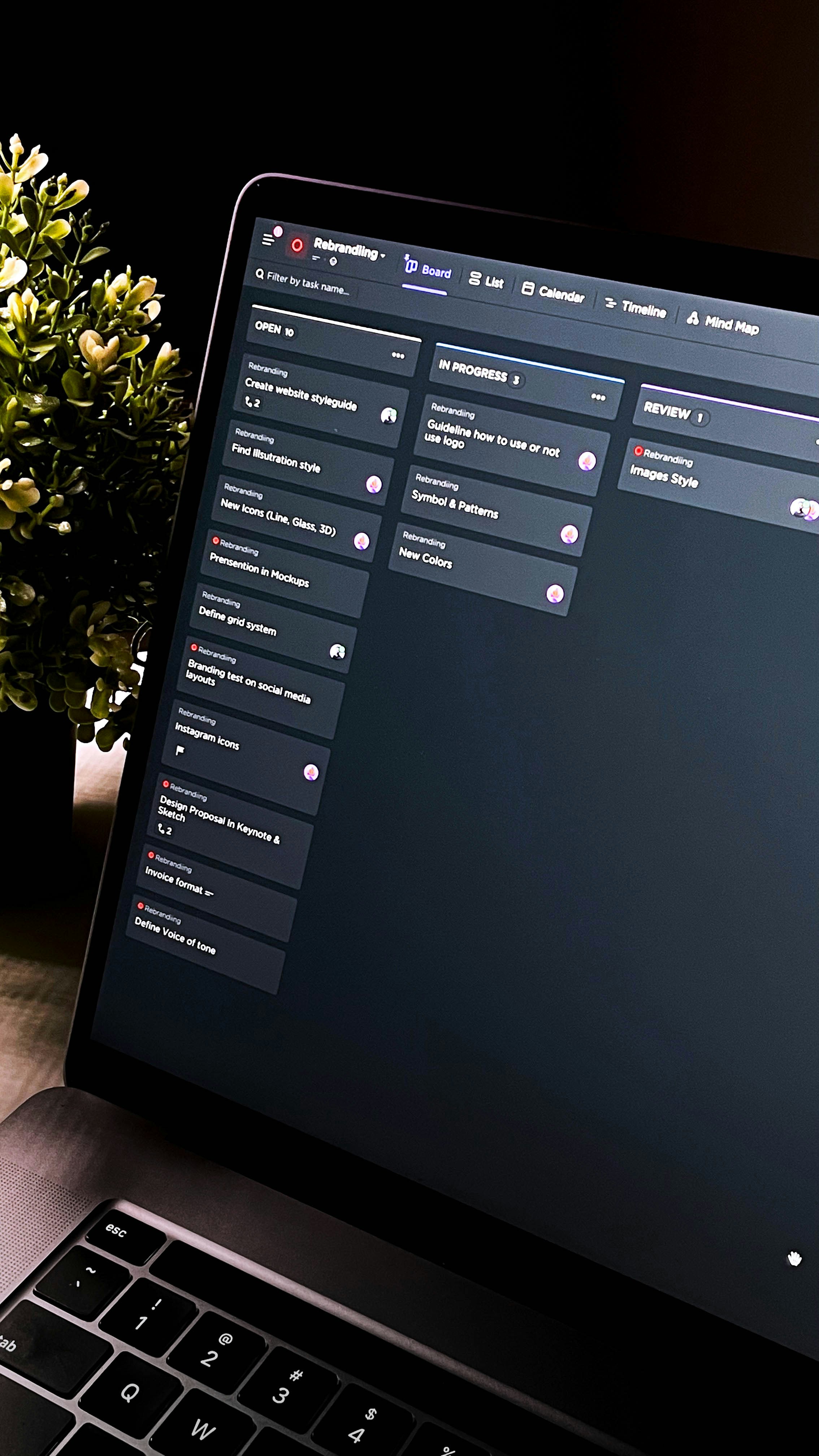
Introduction to Project Management for Small Businesses
Project management is a crucial discipline that involves planning, executing, and overseeing projects to achieve specific goals and meet particular success criteria within a set timeline. For small businesses, effective project management can serve as a vital tool that enhances operational efficiency, increases productivity, and drives overall success. By utilizing project management templates, small enterprises can systematically approach their projects, ensuring that all aspects are strategically managed.
Effective project management is essential for small businesses, as it helps them allocate resources wisely, minimize waste, and streamline processes. It also allows for better communication among team members, fostering a collaborative work environment. When small businesses properly manage their projects, they can quickly respond to unexpected challenges and capitalize on new opportunities, ultimately leading to increased profitability and growth.
However, small businesses often face unique challenges when it comes to managing projects. Limited resources, such as time and personnel, can hinder their ability to execute larger projects effectively. Additionally, many small business owners may lack formal training in project management, making it difficult for them to implement structured methodologies. This is where the use of project management templates becomes invaluable. These resources provide a framework that simplifies project planning and tracking, enabling small businesses to operate more efficiently.
Furthermore, the absence of a dedicated project management system may lead to disorganized workflows and miscommunication, adversely impacting project outcomes. By embracing project management techniques and tools, small businesses can overcome these hurdles and ensure that their projects are managed effectively from inception to completion. In the following sections, we will explore various project management templates that can aid small businesses in reaching their objectives with enhanced precision and productivity.
Understanding the Importance of Templates in Project Management
In the realm of project management, especially for small businesses, the use of project management templates plays a critical role. These templates can serve as the foundational tools that streamline processes, save time, and enhance organization within projects. Small businesses, often constrained by limited resources, can particularly benefit from the adoption of these templates.
One of the primary advantages of using templates in project management is the substantial time-saving they offer. Creating documents from scratch can be not only daunting but also inefficient. By utilizing pre-designed project management templates, teams can focus on the content rather than the structure. This allows them to allocate precious time to more strategic activities, such as planning and execution. For instance, a project timeline template can expedite the scheduling process, ensuring that important deadlines are met without unnecessary delays.
Moreover, consistency is another significant benefit provided by templates. When all team members use the same project management templates, it promotes uniformity across documentation, making it easier to track progress and outcomes. This uniform approach minimizes miscommunication and ensures that everyone is aligned with the project’s goals. Different phases of a project, such as initiation, planning, execution, and closure, can each be supported by specialized templates, further enhancing clarity and direction.
Examples of such templates include task lists, budgeting sheets, and status reports. Each template can facilitate a streamlined process, providing an efficient way to manage resources and deadlines. As small businesses often juggle multiple projects with limited manpower, these project management templates prove to be indispensable tools in achieving success while maintaining organization and productivity.
Criteria for Selecting Project Management Templates
When choosing project management templates, especially for small businesses, there are several critical factors to consider to ensure that the selected tools align effectively with unique business needs and project requirements. First and foremost, ease of use plays a vital role. A user-friendly interface allows team members to quickly adapt to the template without extensive training, promoting immediate productivity and reducing the learning curve.
Another essential criterion is flexibility. The ideal project management template should accommodate various project types and team structures. Flexibility allows for the modification of the template to suit ongoing projects, whether they are simple tasks or complex initiatives involving multiple stakeholders.
Customization capabilities also contribute to the selection process. A good template should enable users to personalize elements according to their preferences and requirements. This may include the ability to add custom fields, logos, or workflows, ensuring that the templates resonate with the specific branding and operational strategies of the business.
Moreover, alignment with business goals is critical. Templates should support the overarching objectives of your organization, facilitating tracking and reporting that connects project outcomes with strategic targets. For instance, if a business’s goal is to enhance customer satisfaction, the selected templates should include features that help monitor customer feedback and service delivery metrics.
In order to make an informed decision, small business owners should evaluate these criteria systematically, ensuring that the project management templates not only meet immediate needs but also adapt to future challenges and growth opportunities. This prudent approach can lead to improved project execution, enhanced team collaboration, and, ultimately, better business results.
Project Charter Template
The Project Charter is a critical document in project management that serves as the foundation for any successful project. It essentially acts as an agreement between stakeholders regarding the project’s objectives, scope, and overall direction. For small businesses, utilizing a Project Charter Template can streamline the initiation phase of projects, ensuring that everyone involved has a shared understanding of the project’s purpose and significance.
Components of a well-crafted Project Charter include several key elements. Firstly, it defines the project’s objectives clearly, outlining what the business aims to achieve through the project. This is crucial as it sets the expectations for the project team and stakeholders, minimizing confusion or misalignment later in the process.
Moreover, the Project Charter outlines the project’s scope, detailing what is included and what is excluded from the project. This helps prevent scope creep—a common issue where additional tasks or features are added without the necessary adjustments to budget or timeline. Additionally, it identifies key stakeholders, ensuring that all relevant parties are acknowledged and included in the communication process.
Another integral component is the resources required for the project, which encompasses not only budgetary considerations but also human resources and technology dependencies. By clearly specifying these requirements in the Project Charter, small businesses can better allocate their resources, thus increasing the likelihood of successful project completion.
For small businesses looking to improve their project management practices, adopting a Project Charter Template can prove invaluable. It enables teams to start projects on solid ground, reducing the risk of miscommunication and ensuring a quicker path toward project success. By systematically documenting essential project details, businesses can enhance their project management capabilities and ultimately achieve their objectives more efficiently.
Gantt Chart Template
The Gantt Chart Template serves as an invaluable visual tool in project management, particularly for small businesses aiming to streamline their project timelines and tasks. By providing a graphical representation of the project schedule, this template facilitates a clear understanding of task durations, dependencies, and progress, enabling teams to manage their time and resources more effectively.
One of the primary benefits of using a Gantt chart is its ability to display the entire project timeline in a single glance. Each task is represented on a horizontal timeline, allowing project managers to see at a glance which tasks overlap, which are in progress, and which remain to be started. This visual management approach can be especially beneficial when coordinating multiple team members or departments, clearly delineating who is responsible for what and when their deadlines fall.
To effectively utilize a Gantt Chart Template, project managers should begin by listing all the tasks required for the project. Next, they should estimate the duration of each task and indicate any dependencies—tasks that cannot begin until others are completed. As the project progresses, managers can update the Gantt chart to reflect the current status, ensuring that everyone is aware of developments and can adjust their efforts accordingly. This iterative approach not only assists in tracking progress but also aids in resource allocation, ensuring that team members are engaged and focused on tasks appropriate to the project phase.
In conclusion, incorporating a Gantt Chart Template into project management practices allows small businesses to visualize their projects comprehensively. By organizing tasks, setting timelines, and tracking progress, businesses can enhance their operational efficiency and ensure successful project outcomes.
Risk Management Plan Template
A Risk Management Plan is an essential component of project management templates for small businesses. This document serves as a proactive strategy to identify, assess, and mitigate potential risks that could threaten the successful completion of a project. In the ever-evolving landscape of business, understanding the vulnerabilities inherent to specific projects helps ensure that small enterprises remain resilient and capable of navigating uncertainties.
To effectively utilize a Risk Management Plan template, small businesses should begin by identifying potential risks. These risks can be classified into several categories, such as operational, financial, regulatory, and market-related. For instance, operational risks might include project delays due to resource availability, while financial risks could involve budget overruns. By systematically cataloging these risks, organizations can prioritize their responses based on severity and likelihood.
Subsequently, the template provides a framework for assessing these identified risks. A qualitative assessment often suffices for small businesses, where risks are ranked based on their potential impact on the project’s objectives. For example, a critical risk like losing a key team member can be given a higher rating compared to a minor equipment malfunction. Once risks are categorized, businesses can develop tailored mitigation strategies. This could involve allocating additional resources or implementing contingency plans to address identified vulnerabilities.
It is also helpful to include common examples of risks in the template. For small businesses, economic downturns and shifts in consumer preferences are prevalent concerns. Strategies to handle these risks may include diversifying product lines or revisiting pricing strategies. By employing a comprehensive Risk Management Plan, small businesses position themselves to anticipate challenges and respond decisively, ensuring project objectives remain achievable.
Budget Tracker Template
The Budget Tracker Template is an essential tool for small businesses aiming to streamline their project management processes, especially in managing financial aspects. This template provides a structured framework for tracking expenses and projecting future costs associated with various projects.
First and foremost, the Budget Tracker Template allows users to outline their initial budgetary allocations for different project phases. By identifying and categorizing projected costs, businesses can gain insights into potential financial commitments and plan accordingly. A well-defined budget not only sets clear financial boundaries but also helps in avoiding unexpected expenses that could jeopardize the project’s completion.
Moreover, the ability to monitor expenditures against the established budget is crucial for maintaining financial discipline. With the Budget Tracker Template, small businesses can input real-time data concerning expenses as they occur. This immediate tracking ensures that any variations from the planned budget are promptly addressed. For instance, if certain costs exceed expectations, the template can prompt a reassessment and adjustment of subsequent project phases, thus preventing financial strain.
Additionally, the insights generated by this template aid in making informed financial decisions. Analyzing spending trends offers valuable perspectives on which areas require tighter control and where efficiencies may be gained. With the visualization of data, small business owners can identify patterns, enabling them to allocate resources more effectively in future projects.
In conclusion, the Budget Tracker Template serves as a pivotal resource for small businesses, helping to ensure that projects not only stay within budget but also achieve their intended goals. By effectively managing project costs and expenditures, businesses can enhance their financial decision-making processes, contributing to overall project viability.
Status Report Template
A Status Report Template is an essential tool in project management that facilitates communication between project teams and their stakeholders. This template serves as a structured format for presenting information regarding the progress of a project, key milestones, and any challenges faced. By effectively utilizing a status report, teams can ensure transparency and keep all parties informed, allowing for timely interventions when required.
Typically, a status report should include several key components: an overview of the project’s current status, accomplished tasks, upcoming activities, issues or risks identified, and any resource needs or changes. Moreover, it should provide a visual representation of progress, such as charts or graphs, which can help stakeholders quickly grasp the project’s trajectory. Using project management templates like this one not only helps in maintaining consistency but also produces a clear narrative that stakeholders can easily follow.
When drafting a status report, clarity and brevity are paramount. It is advisable to use bullet points for quick reading, while being careful to avoid jargon that may confuse stakeholders unfamiliar with the project’s technicalities. Incorporating visual elements can further enhance understanding and engagement. To maximize effectiveness, project managers should schedule regular intervals for updating the status report, ensuring that stakeholders receive timely and relevant updates.
The integration of a well-designed status report template into the project management process fosters an environment of accountability and engagement. Regular use of this template can significantly improve stakeholder relationships by providing them with a transparent view of project developments, which can also impact decision-making positively as unforeseen issues arise.
Conclusion: Streamlining Project Management for Success
In the dynamic landscape of small business operations, effective project management is crucial for achieving success. Throughout this blog post, we have explored ten exceptional project management templates that can significantly enhance the efficiency and productivity of small teams. These templates serve as valuable tools, providing structure and organization to various projects, allowing businesses to streamline their processes.
The right project management templates not only facilitate the planning and execution of tasks but also promote transparency and collaboration among team members. By implementing these templates, small businesses can better align their objectives, track progress, and adapt to any changes as they arise. As established in the earlier sections, the selection of appropriate templates should be guided by the specific needs of the individual business, which will ultimately contribute to improved workflow management.
Small business owners are encouraged to critically evaluate their current project management approaches. Are existing processes proving effective, or is there room for improvement? Integrating well-designed project management templates can provide a fresh perspective on managing tasks and resources. This proactive step will not only help streamline operations but also empower team members to work collaboratively and maintain focus on shared goals.
In closing, leveraging project management templates can profoundly impact the way small businesses operate. By investing in these resources, businesses can foster a culture of accountability, enhance time management, and support better decision-making. Ultimately, the use of tailored project management templates holds the potential to pave the way for greater success and sustainability in an increasingly competitive environment.