
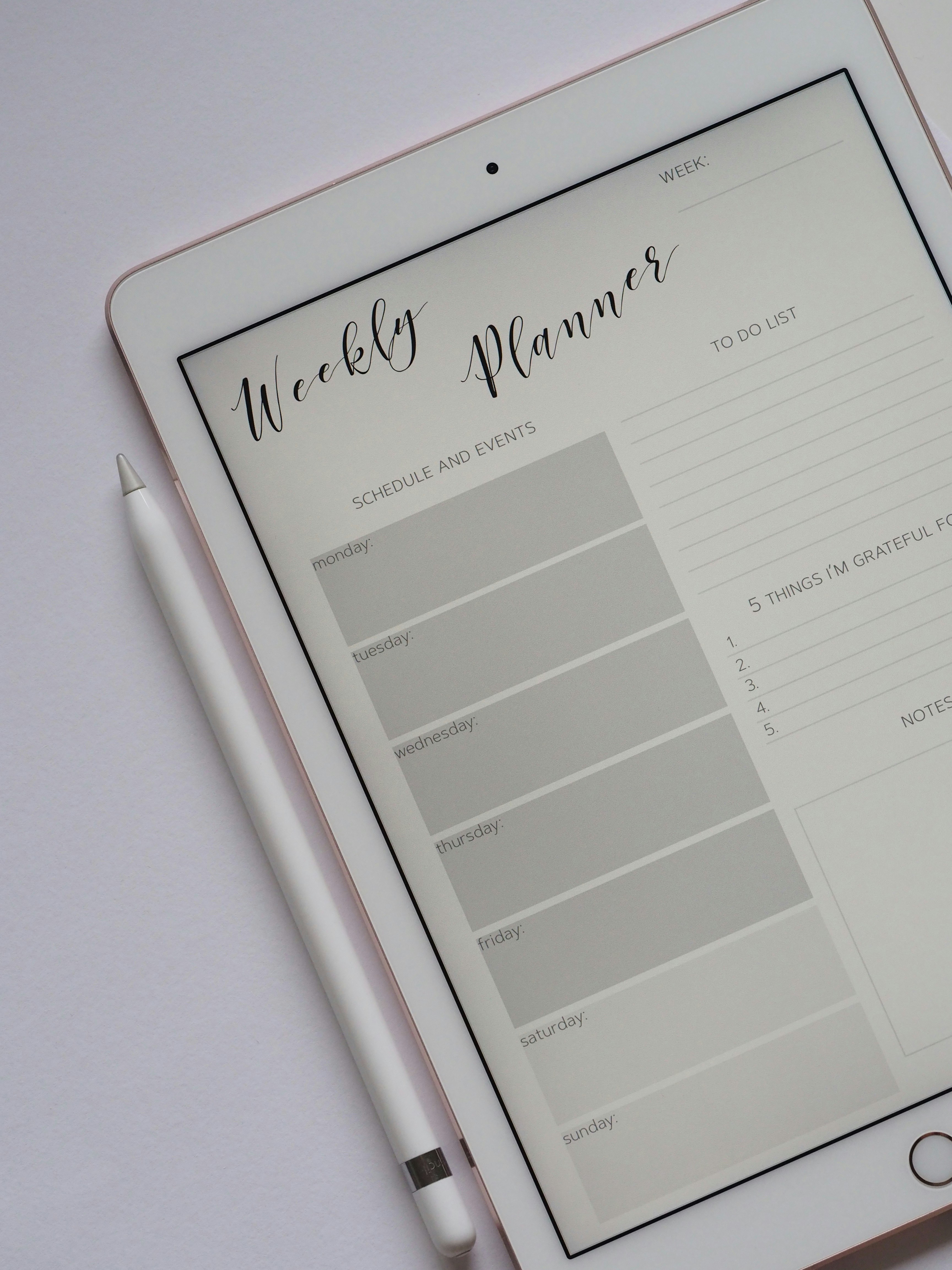
Introduction: Why Digital Planning is Essential for Students
The integration of technology into the educational landscape has significantly transformed how students manage their academic responsibilities. One of the most notable developments is the rise of digital planning tools, which offer a modern alternative to traditional paper planners. A student digital planner serves as a versatile platform that enables learners to organize their schedules, track assignments, and manage tasks in an efficient manner.
Digital planners provide students with the ability to keep all their academic information in one centralized location. Unlike paper planners, which can easily be misplaced or damaged, a digital planner is readily accessible across multiple devices—be it a smartphone, tablet, or computer. This accessibility ensures that students can check their plans and deadlines anytime and anywhere, mitigating the risk of missing important commitments.
Moreover, a student digital planner aids in promoting better time management skills. Digital solutions often include features such as calendar views, reminders, and to-do lists that help students prioritize their tasks effectively. Students can set alerts for upcoming assignments or exams, which can be crucial during periods of heavy coursework. By utilizing a digital planner, students are more likely to stay organized and adhere to their schedules, ultimately enhancing their academic performance.
Additionally, many digital planners are customizable, allowing students to tailor them to their personal preferences and learning styles. They can incorporate various features such as color coding, tagging, and integration with other educational tools, creating a holistic planning environment that suits their unique needs. As technology continues to evolve, the necessity of adopting a digital planner for students becomes more apparent, emphasizing how these tools can facilitate better organization and productivity in academic settings.
Key Features of the 2026 Student Digital Planner
The 2026 Student Digital Planner offers a variety of key features designed to enhance academic performance and streamline the educational experience for students. One of the primary components is its customizable templates, which allow users to tailor their organizational structures according to their individual learning styles and preferences. This flexibility ensures that students can manage their schedules and workloads in a manner that is most effective for them.
Integration with calendars is another significant feature. This functionality synchronizes academic schedules with personal calendars, enabling students to view commitments at a glance. Such a comprehensive overview helps to minimize missed deadlines, ensuring that students stay on top of their assignments and responsibilities. Additionally, the inclusion of task management tools facilitates the organization of daily tasks, assignments, and long-term projects, making it easier to prioritize and complete work efficiently.
Reminders play a critical role in the 2026 Student Digital Planner, offering timely alerts for upcoming deadlines, study sessions, or exams. This proactive approach encourages students to remain vigilant and responsible in their academic pursuits. Furthermore, the note-taking capabilities enhance the learning experience, allowing students to capture essential information during lectures or study sessions. Having organized digital notes can significantly aid in review and retention of material.
Collaboration features represent another vital attribute of the planner. These tools facilitate group work, enabling students to share notes, project timelines, and resources with their peers. Collaborative efforts often lead to improved understanding and better academic outcomes, making this feature indispensable in a collective educational environment. In essence, each of these key features converges to create a robust digital planning tool that promotes organization, focus, and academic success for students in 2026.
How to Set Up Your Digital Planner for the Academic Year
Setting up your student digital planner effectively is crucial for managing your academic responsibilities throughout the year. The first step in this process is selecting the right platform that accommodates your needs and preferences. Popular applications for digital planning include Notion, Trello, and Google Calendar. Each of these tools offers unique features that can assist you in organizing your schedules, assignments, and projects.
Once you have chosen a platform, the next step involves inputting essential academic dates into your student digital planner. Start by collecting your academic calendar, which includes significant dates such as the start and end of the semester, exam schedules, and important project deadlines. Inputting these dates will allow you to visualize your entire academic year and plan your time accordingly. Additionally, consider color-coding these entries to differentiate between types of events, such as exams, assignments, and holidays.
After entering your key dates, it is vital to organize your subjects and tasks effectively within your digital planner. Create separate sections or boards for each subject you are enrolled in, allowing you to compartmentalize your work. Under each subject category, you can list assignments, readings, and any other tasks required. This method not only helps keep you on track but also makes it easier to prioritize your workload. Be sure to review your planner regularly, adjusting your schedule and priorities as needed to stay consistent with your academic goals.
By following these steps, you can establish a well-structured student digital planner that optimizes your productivity and ensures academic success throughout the year.
Maximizing Productivity with the Digital Planner
Utilizing a student digital planner can significantly enhance productivity for students. One effective technique is time-blocking, which involves dividing the day into segments dedicated to specific tasks or activities. By allocating defined periods for studying, attending classes, and completing assignments, students can create a structured approach to their daily responsibilities. This method minimizes distractions and enables better focus during each designated time block.
Another essential strategy is goal setting, which can be categorized into short-term and long-term objectives. Short-term goals might include completing a specific reading assignment by the end of the week, while long-term goals can involve achieving a particular grade by the semester’s end. Utilizing the digital planner, students can visually track their progress and adjust their goals as needed, thus providing a clear roadmap towards academic success.
Regular reviews and adjustments to planning habits play a crucial role in maximizing the effectiveness of the student digital planner. Setting aside time each week to evaluate what strategies are working or where improvements can be made allows students to adapt their planning techniques to their unique needs. This reflective practice fosters continuous improvement, helping students to become more efficient in their study habits and time management.
Incorporating these techniques—time-blocking, goal setting, and habitual reviews—can transform a traditional approach to studying into a more innovative and effective strategy. By embracing a student digital planner, students not only organize their tasks but also empower themselves to significantly enhance their academic productivity.
Integrating Study Techniques and Planner Use
In the modern educational landscape, leveraging a student digital planner can significantly enhance academic performance, particularly when combined with effective study techniques. A popular approach is the Pomodoro Technique, which encourages focused study sessions typically lasting 25 minutes, followed by a short break. By incorporating this method into a digital planner, students can create structured study schedules that optimize concentration and reduce burnout. For instance, scheduling Pomodoro blocks within the planner ensures dedicated time for studying, while the breaks serve as a reward and reset for the mind.
Another effective technique is spaced repetition, a learning strategy that involves reviewing material at gradually increasing intervals. This method is highly efficient for long-term retention of information. A student digital planner can facilitate this by allowing students to set specific reminders for review sessions, ensuring that they revisit topics at optimal times. By integrating spaced repetition into their planning process, students can create a personalized study itinerary that maximizes retention and minimizes cramming before exams.
Active recall is also an essential study technique, where students actively retrieve information from memory rather than passively reviewing it. This can be effectively tracked using a digital planner. Students can schedule regular quizzes in their planner, using tools like flashcards or self-generated questions. Each study session can be curated to include periods dedicated to active recall, reinforcing the knowledge acquired during their learning. By systematically incorporating these study techniques into their student digital planner, learners can create a comprehensive roadmap for academic success.
Staying Motivated: Gamifying Your Planning Experience
Incorporating gamification into the student digital planner can significantly enhance engagement and motivation among students. By transforming mundane tasks into exciting challenges, students can maintain high levels of enthusiasm throughout their academic journey. One approach is to establish achievement badges that recognize the completion of specific tasks, such as finishing assignments on time or maintaining consistent study hours. These badges serve as visual rewards, providing a sense of accomplishment that can boost morale.
Another effective strategy is to implement daily check-in challenges within the digital planner. These could range from simple tasks such as reviewing notes or organizing study materials, to more complex goals like completing a project. By incorporating a game-like structure to these tasks, students can create a routine that feels less like a chore and more like an engaging activity. Each completion could earn points or contribute to rewards, fostering a competitive spirit that can drive motivation.
Additionally, developing a reward system is crucial for sustaining motivation. For instance, students could set personal milestones within their student digital planner, and upon achieving these, they can treat themselves to something enjoyable, whether it’s taking a break, indulging in a favorite snack, or spending time on a hobby. This connection between achievement and reward not only enhances satisfaction but also reinforces positive study behaviors.
Ultimately, by gamifying the use of a student digital planner, learners can transform their approach to academic planning. This method not only encourages task completion but also cultivates a sense of ownership over their educational progress, making the journey toward academic success more enjoyable and fulfilling.
Collaborative Features for Group Projects
The modern student digital planner has revolutionized the way students approach collaboration in group projects. One of the standout features is the shared calendar functionality, which allows team members to synchronize their schedules efficiently. This shared calendar can display important deadlines, meeting times, and milestone dates, enabling all participants to remain on the same page and avoid scheduling conflicts.
Task assignments are another crucial aspect of effective project collaboration. The digital planner allows for task delegation, where students can assign specific responsibilities to each member, creating a clear outline of who is responsible for what. This feature not only fosters accountability among group members but also ensures that tasks are completed in a timely manner. The planner can send notifications and reminders, further reinforcing the importance of meeting deadlines.
Including shared notes is another beneficial feature that enhances group collaboration. Through a centralized notes function, students can collectively brainstorm ideas, record important discussions, and keep track of decisions made during meetings. This ensures that all members have access to the same information, reducing the likelihood of misunderstandings and ensuring continuity throughout the project.
To maximize the effectiveness of these collaborative tools, students should adopt best practices. Regular check-ins using the digital planner can facilitate ongoing communication, while setting up weekly goals can maintain momentum and motivation. Utilizing the comment or chat features available within many digital planners further enhances real-time communication, allowing students to address any questions or concerns promptly.
By leveraging the collaborative features of their student digital planner, students can significantly improve the coordination and success of their group projects, fostering a more organized and efficient approach to teamwork.
Tips for Overcoming Common Planning Challenges
Using a student digital planner can significantly improve organization and time management skills. However, students often encounter several challenges that can impede their ability to effectively utilize these tools. Identifying these challenges is the first step in finding solutions.
One of the most prevalent issues is procrastination. The allure of digital distractions, such as social media and streaming platforms, can prevent students from engaging with their digital planners. To combat procrastination, setting specific times each day for planning and reviewing tasks can be beneficial. Incorporating techniques such as the Pomodoro Technique, which encourages short, focused intervals of work followed by breaks, may help maintain motivation and reduce the temptation to stray from academic tasks.
Another common obstacle is the difficulty in maintaining consistent usage of the digital planner. Students might begin the semester diligently planning their schedules but may soon revert to old habits. Establishing a routine can help mitigate this issue. For instance, scheduling a weekly review session to assess upcoming assignments and deadlines may encourage continuous engagement with the digital planner. Additionally, customizing the student digital planner with personal colors or icons can make the planning process more enjoyable and tailored to individual preferences.
Lastly, digital fatigue can occur when students spend excessive time on screens, leading to burnout. To address this, it may be helpful to balance digital planning with traditional methods, such as handwritten notes or physical calendars. This hybrid approach can alleviate some stress associated with fully digital planning. By implementing these strategies, students can navigate challenges effectively and enhance their overall experience with their digital planners.
Conclusion: The Future of Digital Planning in Education
As we reflect on the transformative role of the student digital planner, it becomes clear how this tool can significantly enhance academic success. Through features that facilitate organization, time management, and goal setting, the digital planner aids students in navigating the complexities of their educational journeys. It empowers them to manage assignments, deadlines, and study schedules effectively, cultivating habits that can lead to improved performance and reduced stress.
Looking ahead, the future of digital planning in education appears promising. With rapid technological advancements, we can anticipate further innovations that will enhance the functionalities of student planners. Emerging technologies, such as artificial intelligence, could lead to more personalized planning experiences. Imagine a student digital planner that learns from users’ habits and preferences, providing tailored suggestions for study techniques or adjustments to their schedules based on workload predictions. This adaptability could foster a more dynamic and responsive approach to learning.
Furthermore, integration with existing educational platforms could streamline workflows for both students and educators. The potential for collaboration tools that allow for seamless sharing of notes, deadlines, and projects among peers is on the horizon. This level of connectivity could not only boost student engagement but also create a more collaborative learning environment.
In conclusion, the adoption of digital planning tools in education is not merely a trend; it represents a significant shift towards more effective and personalized learning experiences. The development of future technologies holds the potential to elevate the capabilities of student digital planners even further, ultimately supporting students in achieving their academic goals and preparing them for future success.