
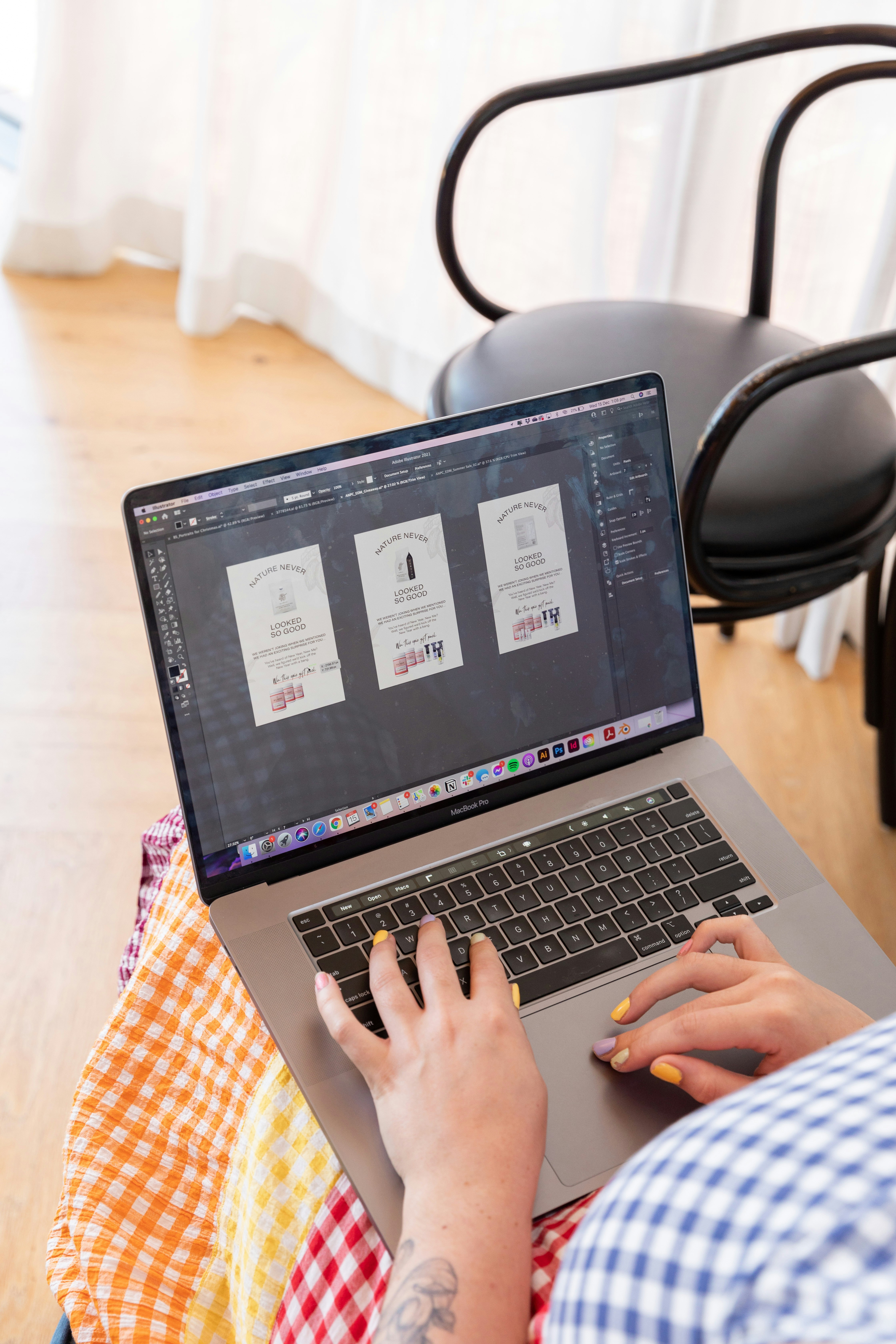
Introduction to Digital Templates as Side Hustles
Digital templates have emerged as a prominent avenue for individuals seeking to establish a side hustle. These pre-designed tools serve various purposes, including enhancing productivity for businesses, facilitating personal projects, and improving aesthetic appeal across multiple platforms. Common examples include social media templates, business presentation slides, planners, and templates for marketing collateral. Given the increasing need for efficiency and professional presentation, the demand for digital templates continues to grow.
Within the landscape of side hustles, digital template side hustles stand out for their accessibility and low entry barriers. Unlike physical products, digital templates require minimal overhead costs; they can be created and sold with little investment beyond time and creativity. This makes them an attractive option for freelancers, entrepreneurs, or anyone looking to supplement their income with a side project. Once created, these digital products can be sold repeatedly without the need for restocking or additional production costs. This characteristic contributes significantly to their scalability, allowing creators to generate recurring revenue with relative ease.
Moreover, the nature of digital products means they can be fully automated, enabling creators to set up a system where customers can purchase and receive their templates instantly through online platforms. This automation not only enhances efficiency but also maximizes profitability, as it frees up time for creators to focus on developing additional products or marketing their work. The trend of digital templates aligns with the global push toward remote work and online business solutions, positioning it as a viable, future-forward side hustle. With the right approach and creative flair, anyone can tap into this lucrative market.
Identifying Your Niche: Finding Profitable Template Ideas
Finding a lucrative niche is crucial for anyone embarking on a digital template side hustle. The first step in this process involves thorough research to identify potential target markets. Start by examining existing platforms that sell digital templates, such as Etsy, Creative Market, or Canva. Analyze top-selling items to uncover popular trends and customer preferences. Take note of the types of templates in high demand and consider your own skills and interests as you navigate this landscape.
Next, assess market demand by utilizing tools like Google Trends or social media platforms. By checking trending hashtags or following relevant groups, you can gauge what types of templates users are actively seeking. Consider segments like planners, resumes, social media graphics, or educational resources. Each of these categories offers specific opportunities for unique digital templates that could fulfill unmet needs.
Once you have a clear understanding of your market, brainstorming specific template types becomes essential. Create a list of ideas that align with the preferences of your target audience. For instance, if you identify a growing interest in productivity, consider designing daily planner templates or project management tools. Conversely, if you notice a demand for visual content, templates for social media graphics or marketing materials could be more appropriate.
Validating your ideas is the next crucial step. Engage potential customers through surveys, social media polls, or forums to gather insightful feedback on your proposed templates. Identifying gaps in the market requires critical analysis of existing offerings and understanding the pain points of users. By addressing these gaps, you position yourself strategically within your chosen niche, enhancing the likelihood of success in your digital template side hustle.
Creating High-Quality Digital Templates
To embark on a successful digital template side hustle, one must first understand the intricacies of designing high-quality templates that cater to the needs of users. The creation of digital templates requires not only creativity but also the appropriate use of design tools. Several software options are available for aspiring template creators, including Adobe Creative Suite, Canva, and Microsoft PowerPoint, each offering unique features that facilitate the design process. For beginners, user-friendly platforms such as Canva can be particularly beneficial, as they provide pre-existing layouts that can be easily customized.
When designing templates, best practices should always be adhered to foster user-friendliness and aesthetic appeal. High-quality templates should feature clear, legible fonts, a cohesive color scheme, and a structured layout that guides users through the content. Ensuring that your template stands out visually while also being functional is key; this balance will enhance the likelihood of repeat customers seeking your digital template products.
Moreover, user experience is paramount in the design process. For instance, consider how users will interact with the template. Include intuitive features such as easily editable text boxes and clear instructions for use. Remember that your templates should not only look great but also provide significant value—this could mean offering varying sizes, formats, or customization options to suit diverse customer preferences. Conducting user testing before launching your digital templates can yield invaluable insights into usability and functionality.
By adhering to these principles and utilizing the appropriate design tools, you can establish a digital template side hustle that is both profitable and fulfilling. Creating templates that resonate with your target audience while ensuring an exceptional user experience will ultimately contribute to the long-term success of your business.
Pricing Your Templates for Profitability
When embarking on a digital template side hustle, one of the most crucial aspects to consider is the pricing of your templates. Setting the right price not only helps in covering your costs but also in generating a sustainable profit. There are several strategies that can be employed to ensure your pricing aligns with market demand and your target audience’s willingness to pay.
Firstly, conducting a competitive analysis is essential. Investigate what others in the digital template marketplace are charging for similar products. This will provide a baseline for your pricing. However, it’s important to note that underpricing your templates to compete can diminish perceived value. Instead, strive to offer unique elements or superior quality that justifies a higher price point.
Another effective strategy for pricing your templates is value-based pricing. This approach involves setting prices based on the perceived value of your templates to customers. A key factor in determining this value is understanding your target audience’s pain points and how your templates offer solutions. For instance, if your templates save time or enhance productivity, this added value can justify a higher price.
Furthermore, consider bundling options. Offering bundles of templates at a slightly reduced rate can encourage customers to spend more overall. Not only does this enhance the perceived value, but it can also increase customer satisfaction by providing them with comprehensive solutions for their needs.
Finally, take into account the time and effort invested in developing each template. Your pricing strategy should reflect the quality and detail of your work. This consideration will ensure that your digital template side hustle remains profitable while allowing for continuous improvement and innovation in your offerings.
Setting Up Your Online Store: Platforms and Tools
Launching a digital template side hustle begins with selecting the right platform for your online store. The choice of platform can significantly influence your success, as it affects visibility, user experience, and the ease of transaction. Among the most popular options are Etsy, Shopify, and personal websites. Each platform offers unique features catering to various business models.
Etsy is a well-established marketplace favored by creators of handmade and digital products. It provides a vast audience, which is ideal for those just starting. To set up a storefront on Etsy, users must create an account, list their digital products, and configure shop settings to enhance discoverability. Notably, Etsy handles payment processing and provides user-friendly tools for digital delivery, ensuring a seamless buying experience.
Shopify, on the other hand, allows for more customization and is particularly suitable for those seeking to build a strong brand around their digital templates. Users can design their storefronts with a variety of templates and add essential e-commerce functionalities such as SEO tools and payment gateways. Setting up Shopify requires a subscription, but the investment can pay off through the enhanced control it provides over branding and customer interactions.
Lastly, creating a personal website offers total ownership of your digital template side hustle. With platforms like WordPress or Wix, entrepreneurs can establish a unique online presence tailored to their branding. This approach allows complete autonomy over sales, marketing, and customer relationships. However, it also demands more effort in driving traffic, managing payments, and ensuring digital product delivery.
Regardless of the chosen platform, essential tools for managing sales and digital delivery, such as Google Drive, Dropbox, or specialized software like SendOwl, should be integrated to streamline operations. Thus, carefully selecting the right platform and tools can position your digital template business for sustained growth and profitability.
Marketing Your Digital Templates: Strategies for Growth
To successfully establish a digital template side hustle, effective marketing strategies are crucial. Diverse channels can be utilized to reach potential customers and maximize sales of your digital templates. One of the most effective avenues is social media marketing. Platforms like Instagram, Facebook, and especially Pinterest, are highly visual, making them ideal for showcasing digital products. By creating engaging and visually appealing posts, you can attract attention and drive traffic to your shop.
Email marketing also plays a significant role. Building an email list allows you to directly communicate with your audience, promoting new digital template offerings, sharing exclusive content, or running special promotions. Consider creating a lead magnet, such as a free template, to entice visitors to subscribe to your mailing list.
Moreover, collaborations can amplify your reach. Partnering with influencers or other creators in similar niches can expose your digital templates to a broader audience. This could involve guest blogging, joint social media campaigns, or hosting webinars where your templates are showcased. Content marketing is another valuable strategy; producing blog articles or tutorials that integrate your digital templates not only showcases their functionality but also positions you as an expert in the niche, enhancing your credibility.
Paid advertising can be an effective way to drive traffic quickly. Platforms like Facebook Ads and Google Ads allow targeted ads that can be refined to reach your ideal customer effectively. It’s essential to use compelling visuals and clear calls-to-action that entice users to click on your ads.
Finally, consistently working on building your brand identity will pay off in the long term. Always maintain a cohesive look across your products, marketing materials, and online presence. This consistency helps in establishing trust with your audience and encourages repeat purchases of your digital templates.
Customer Engagement and Building a Community
Establishing a successful digital template side hustle extends beyond the initial sale; it encompasses ongoing customer engagement. The relationship between a business and its customers is vital for fostering loyalty and encouraging repeat purchases. Engaging customers after they have made a purchase can significantly influence their likelihood to return, thus increasing the profitability of the digital template side hustle.
One effective strategy for enhancing customer engagement is to create a vibrant community around the brand. Utilizing social media platforms offers an excellent avenue for interaction, allowing customers to share their experiences and connect with like-minded individuals. Platforms such as Facebook, Instagram, and Pinterest can be leveraged to showcase customers’ uses of digital templates, providing inspiration and fostering community spirit. This not only highlights customer creativity but also serves as social proof, encouraging potential buyers to consider making a purchase.
In addition to leveraging social media, providing ongoing support is paramount. Offering a customer support system—whether through email, chat, or user forums—enables customers to feel valued and heard. This transparency cultivates trust and leads customers to return, knowing they have helpful resources at their disposal. Furthermore, follow-ups after a sale can reinforce these relationships. Sending personalized emails that thank customers for their purchase and inquire about their satisfaction creates a sense of care and connection.
Incorporating periodic newsletters can additionally enhance community building. Newsletters can inform customers about new digital template offerings, tips for maximizing their templates, or spotlight features of community members. By consistently engaging with customers and providing them value, a digital template side hustle not only nurtures its customer base but also cultivates a dedicated community, which is essential for long-term success.
Analyzing Your Success: Metrics and Adaptation
To effectively gauge the performance of your digital template side hustle, it is vital to analyze specific key performance indicators (KPIs). These metrics provide you with insight into the viability of your business model and inform necessary adjustments. Key areas to monitor include sales volume, conversion rates, and customer feedback.
Sales volume is one of the primary KPIs and indicates how much revenue your digital templates are generating over a specific timeframe. By examining sales trends, you can identify peak periods and make informed decisions about promotional activities or inventory management. For instance, a surge in sales may suggest a growing interest in your templates, prompting you to create additional offerings that cater to this demand.
Conversion rates are another critical metric. This percentage represents the proportion of visitors to your online store who complete a purchase. To calculate this, divide the number of sales by the total number of visitors and multiply by 100. High conversion rates suggest your marketing strategies and product listings are attracting the right audience. If conversion rates are low, it may be time to reevaluate your product descriptions, pricing, or even the platforms you are utilizing for sales.
Customer feedback serves as qualitative data that can guide your improvements. Gathering reviews and testimonials offers insights into customer satisfaction and can reveal areas needing enhancement. Utilizing surveys to solicit feedback can be particularly effective. Prompting customers after their purchase to share their experiences allows you to gain actionable insights into your digital templates and the overall client experience.
By consistently analyzing these KPIs and adapting your strategies accordingly, you can increase the success of your digital template side hustle. Implementing changes based on concrete data will help you refine your offerings and ultimately grow your revenue.
Scaling Your Side Hustle: Advanced Strategies
Once you have established a steady stream of income with your digital template side hustle, the next step is to scale your business. Scaling allows you to increase your revenue without a proportional increase in expenses, which is essential for maximizing profits. One effective strategy is to expand your product line. Consider diversifying the types of digital templates you create. Besides traditional templates for resumes or social media posts, think about offering templates for planners, business cards, or even digital worksheets. This not only attracts a wider audience but also encourages repeat purchases from your existing customers.
In addition to expanding your offerings, exploring affiliate marketing opportunities can significantly boost your side hustle income. By promoting other relevant products or services and earning a commission for each sale made through your referral, you can create additional revenue streams. Ensure that the products you promote resonate with your audience to maintain authenticity and trust.
Outsourcing is another critical strategy for scaling your digital template business. As your side hustle grows, you may find it challenging to manage all aspects alone. Hiring freelancers for graphic design, marketing, or customer service can free up your time, allowing you to focus on scaling further. Platforms like Fiverr and Upwork can connect you with skilled professionals at an affordable cost.
Finally, automating processes is vital for efficiency and growth. Utilizing tools that handle email marketing, social media scheduling, and customer relationship management can streamline your operations. Automation not only saves time but also ensures consistency in communication and marketing efforts. By implementing these advanced strategies, you can successfully expand your digital template side hustle and work towards your financial goals.