
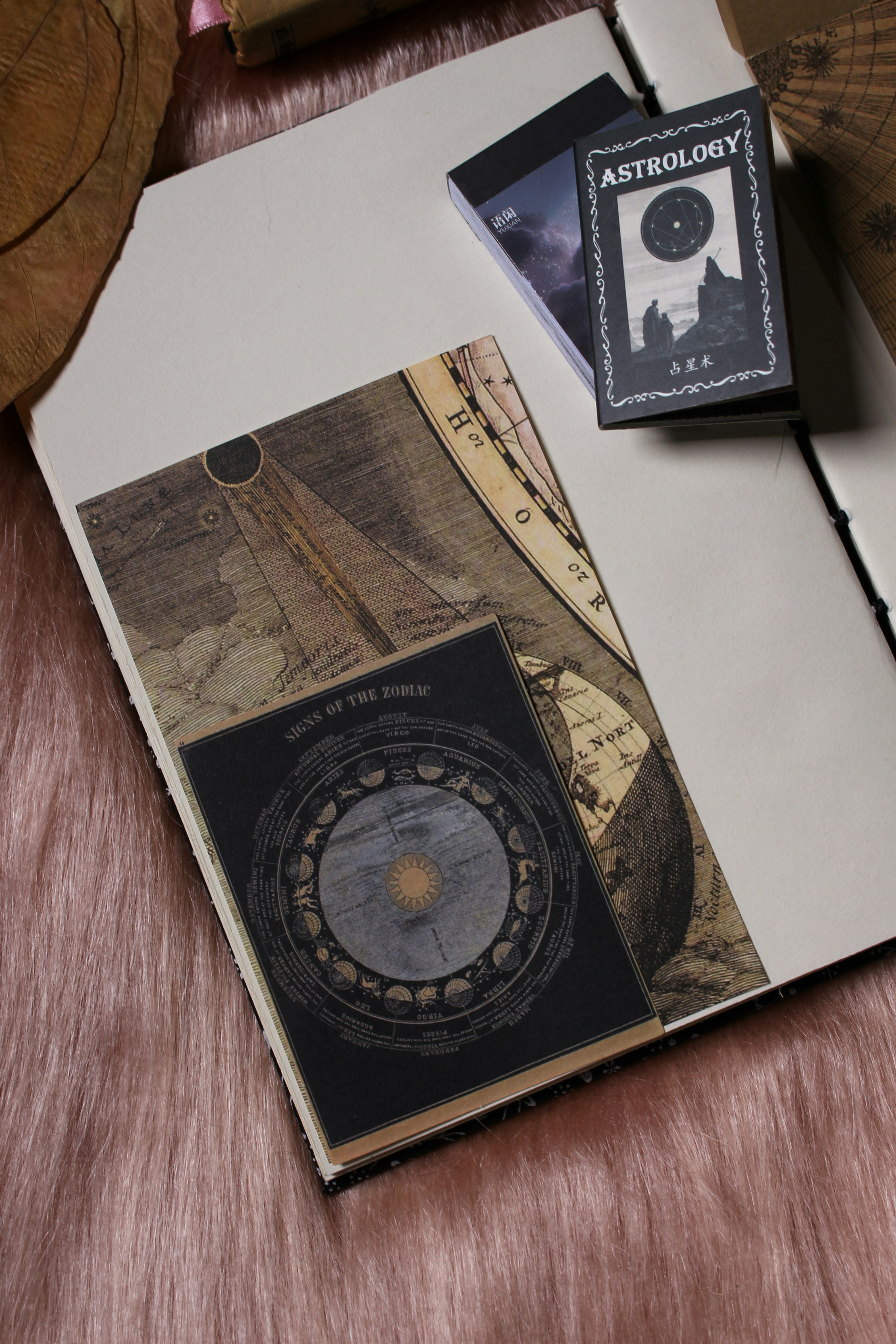
Introduction to Birth Charts
Birth charts, also known as natal charts, are essential tools in astrology that provide a snapshot of the sky at the exact moment an individual was born. These charts are characterized by the precise positions of celestial bodies, such as the Sun, Moon, and planets, along with the twelve zodiac signs and the astrological houses. Each component of the birth chart contributes valuable insights into a person’s character, strengths, and challenges.
The significance of birth charts extends beyond mere curiosity; they are pivotal in understanding one’s identity and life path. By analyzing a birth chart, individuals can gain profound insights into their personalities, emotional needs, and life challenges. For example, the position of the Sun in the chart reveals fundamental aspects of an individual’s personality, indicating their core values and motivations. Meanwhile, the Moon’s placement provides insights into emotional responses and subconscious patterns, allowing for a deeper understanding of one’s inner self.
Furthermore, the rising sign, or Ascendant, serves as the mask one wears when interacting with the world. It shapes first impressions and external behaviors, thus playing a vital role in social interactions. To effectively interpret a birth chart, one must consider the interplay among these components, as well as their relationships and aspects to one another. This interplay offers a comprehensive narrative about a person’s strengths and weaknesses, guiding them toward personal growth and self-discovery.
In summary, understanding birth charts allows individuals to explore their astrological make-up, fostering a greater understanding of themselves and their place in the universe. The art of reading a natal chart bridges personal experience with celestial movements, inviting deeper introspection and awareness.
Understanding Astrology Basics
Before embarking on the journey of reading a birth chart, it is essential to grasp the foundational principles of astrology. Astrology operates on the belief that the positions of celestial bodies at the time of one’s birth can influence personality traits, behaviors, and life events. The birth chart, also known as the natal chart, is a unique map that captures the locations of the sun, moon, planets, and other astrological elements at the exact moment of birth.
One of the fundamental components of astrology is the zodiac signs, which encompass twelve distinct symbols: Aries, Taurus, Gemini, Cancer, Leo, Virgo, Libra, Scorpio, Sagittarius, Capricorn, Aquarius, and Pisces. Each sign represents particular characteristics and traits, contributing to the diverse expressions of personality in individuals. Understanding these signs is crucial, as they serve as the basis for interpreting various elements within a birth chart.
Additionally, the concept of astrological houses plays a vital role in chart interpretation. There are twelve houses, each associated with different areas of life, such as relationships, career, and personal growth. The placement of planets within these houses can provide insights into how certain life experiences will manifest.
Moreover, planets in astrology symbolize various aspects of human experience. For instance, Venus embodies love and beauty, while Mars represents action and aggression. Understanding the influences of each planet can significantly enhance one’s ability to read a birth chart effectively.
Lastly, aspects refer to the angles formed between planets in the birth chart and describe the relationships and dynamics between them. Whether they are harmonious or challenging can provide further dimension to the chart’s interpretation. By familiarizing oneself with these concepts—zodiac signs, houses, planets, and aspects—beginners can establish a solid foundation for deciphering birth charts and unraveling the deeper meanings behind them.
Gather Your Birth Information
When embarking on the journey of interpreting a birth chart, the first and arguably most crucial step involves gathering specific birth information. This data includes your date of birth, time of birth, and location of birth. Each of these elements plays a significant role in the accuracy and integrity of the birth chart you will ultimately generate.
The date of birth is fundamental, as it establishes the sun sign, which is the most recognized component in astrology. It marks the moment when celestial bodies were positioned in relation to the Earth, providing insight into personality traits and life themes. Without an accurate date, your reading may not resonate, leading to misinterpretations.
Equally important is the time of birth. Even a difference of a few minutes can alter the ascendant, or rising sign, which sets the stage for the entire chart. The angles of the planets and their positioning in the twelve houses of astrology depend on the precise time, which can shift the interpretation significantly. Therefore, if you’re unsure about your time of birth, it may be worthwhile to consult a birth certificate or hospital records to ensure you obtain the exact time.
Finally, the location of birth determines the geographical coordinates, influencing the astrological chart’s orientation. Different locations can yield varying results due to time zone differences and the positioning of celestial bodies at that particular moment and place. For instance, someone born on the same day but in a different city or country may experience entirely different astrological influences.
Assembling this information accurately is indispensable, as even slight discrepancies can lead to a markedly different birth chart. Thus, taking the time to confirm these details will significantly enhance the accuracy of your astrological interpretations.
How to Generate Your Birth Chart
Generating your birth chart is a straightforward process that can be accomplished using various online tools and software. A birth chart is a personalized map of the sky at the exact moment of your birth, reflecting the positions of celestial bodies. To create your own birth chart, follow these steps:
First, you will need to gather essential information, including your birth date, exact time of birth, and birthplace. The precision of your chart hinges on the accuracy of this data, particularly your birth time, as it determines the rising sign and the arrangement of houses in your chart.
Once you have this information at hand, you can proceed to select a reputable astrology website or software tool. Websites like Astro.com, Astrodienst, and Cafe Astrology offer user-friendly interfaces for generating detailed birth charts. Most of these platforms provide free services, making it accessible for beginners.
Next, navigate to the section for generating a natal chart or birth chart. Here, you will be prompted to enter your birth details. Ensure that you input the information correctly to avoid any discrepancies in your chart. After entering your data, click on the generate or calculate button.
The website will then process your information and display your natal chart along with an interpretation of various astrological elements, such as the sun sign, moon sign, and ascendant. This can provide valuable insights into your personality, strengths, and challenges.
Additionally, some websites offer interpretative reports for purchase that delve deeper into your astrological profile. This can be beneficial for those looking to understand their chart with more nuanced insights. By following these steps, you can successfully generate your birth chart and begin your exploration of astrology.
Interpreting the Core Components of Your Birth Chart
Reading a birth chart involves understanding its core components, particularly the Sun sign, Moon sign, and Ascendant, often referred to as the rising sign. Each of these elements plays a crucial role in shaping an individual’s personality and overall life approach.
The Sun sign, which is typically the most recognized aspect of astrology, represents one’s core identity and ego. It is determined by the position of the sun at the time of birth and signifies essential traits, motivations, and the innate self-expression of an individual. For instance, those born under Aries might exhibit leadership qualities, while a Taurus might embody stability and a love for comfort. Understanding your Sun sign can provide insights into how you project your personality to the world.
Moving to the Moon sign, this aspect represents the emotional landscape of an individual. It reflects one’s subconscious, feelings, and moods. The Moon sign is determined by the position of the Moon in the zodiac at the time of birth, influencing how a person reacts emotionally and relates to their instinctual reactions. For example, individuals with a Cancer Moon often show deep emotional sensitivity, while a Sagittarius Moon may express a more adventurous spirit emotionally. This sign can unveil the hidden, softer attributes that shape an individual’s inner world.
Lastly, the Ascendant or rising sign marks the way a person is perceived by others and indicates the outward demeanor presented to the world. It sets the stage for the first impressions one makes in various social situations. The Ascendant evolves based on the time and location of one’s birth, affecting personality traits that may not be immediately apparent within the Sun and Moon signs. For example, a Leo Ascendant might portray a vibrant charisma, while a Capricorn Ascendant may exude a more reserved and serious approach to life.
In sum, understanding these three pivotal components—the Sun sign, Moon sign, and Ascendant—provides a comprehensive base for interpreting a birth chart. Each element adds depth to the personality, allowing for a richer understanding of oneself and one’s interactions with others.
Exploring the Twelve Houses
The twelve houses in a birth chart serve as significant structural components that represent various aspects of life experiences. Each house is associated with distinct themes and areas, helping individuals gain deeper insights into their personality, relationships, career, and spiritual growth. To better understand these houses, we will explore the primary meaning of each one.
The first house, often referred to as the Ascendant or Rising sign, represents the self and personal identity. This house reveals how individuals perceive themselves and how they are perceived by others. It sets the tone for the entire chart and can influence one’s approach to life.
The second house focuses on material possessions and personal values, encompassing aspects such as finances, self-worth, and what brings comfort. Understanding the planets in this house can illuminate one’s relationship with wealth and security.
Following this, the third house governs communication and immediate environment. It corresponds to thoughts, ideas, and interactions with siblings or neighbors, providing insights into how individuals express themselves verbally and in writing.
The fourth house relates to home and family, addressing emotional roots, ancestry, and personal foundations. It can offer clues about one’s upbringing and the importance of family ties. Conversely, the fifth house is associated with creativity, romance, and personal expression. This house tends to reflect how individuals experience love and joy through art, hobbies, and children.
As we move further, the sixth house focuses on daily routines, health, and service, marking the balance between work and well-being. The seventh house, on the other hand, represents partnerships and relationships, emphasizing the dynamics in long-term commitments.
The eighth house delves into transformation and shared resources, highlighting themes of intimacy, death, and rebirth. The ninth house transitions to exploration, higher education, and philosophy, guiding individuals in their quest for truth.
The tenth house embodies career, reputation, and aspirations, showcasing public standing and life goals. The eleventh house addresses friendships, social groups, and humanitarian causes, while the twelfth house encompasses spirituality, the subconscious, and hidden aspects of oneself.
To identify which planets reside in each house, one must look at their birth chart, which typically indicates the sign and planet placement within the twelve houses. This alignment can provide deeper insights into how these themes play out in life. By understanding the significance of each house, individuals can gain valuable perspective on their life’s journey.
Understanding Aspects and Their Influence
In astrology, aspects refer to the angles or relationships between planets within a birth chart. These relationships are crucial, as they significantly influence personality traits and life events. Each aspect represents a different type of energy flow between the planets involved, which can either enhance or challenge the characteristics of the celestial bodies. To effectively interpret these influences, it is essential to familiarize oneself with the major aspects commonly found in astrological analysis.
One of the primary aspects is the conjunction, which occurs when two planets are positioned close to each other. This aspect often amplifies the energies of the planets involved, creating a powerful and unified effect. For instance, a conjunction between the Sun and Venus might indicate an individual with a strong desire for beauty and artistic expression.
Another significant aspect is the square, formed when two planets are 90 degrees apart. This aspect is typically associated with tension and challenges, prompting individuals to confront inner conflicts. For example, a square between Mars and Saturn could manifest as a struggle between ambition and restriction, leading to frustration that may ultimately foster personal growth.
The trine aspect, occurring at 120 degrees, signifies harmony and ease. It suggests a smooth exchange of energy, often indicating talents or opportunities that can be accessed without excessive effort. For example, a trine between Jupiter and Uranus might bring sudden insights or fortunate changes in one’s life
To effectively interpret these aspects, consider their significance in relation to the signs and houses in which they occur. Pay attention to the dominant themes in one’s life that may resonate with these aspects, as they can provide insights into personality traits and life events. By understanding the nuances of different aspects, individuals can deepen their astrological knowledge and apply this understanding to their birth chart interpretations.
Practical Tips for Analyzing Your Birth Chart
Analyzing a birth chart can be a rewarding experience, allowing individuals to gain deeper insight into their personalities, strengths, and challenges. To navigate this complex astrological map effectively, consider these practical tips.
First, take the time to familiarize yourself with the essential components of the birth chart, including the signs, houses, and aspects. Make notes as you study each element, focusing on its symbolic meaning and how each one interacts with others in your chart. This will help you build a solid foundation for understanding the various intricacies involved.
Second, approach your interpretation with an open and reflective mindset. Allow yourself to connect the dots between the different elements of your birth chart and your personal experiences. For instance, when examining your sun sign, reflect on how its traits resonate with your life events or behavior patterns. Connecting the themes in your chart with real-life situations can provide valuable insights.
Additionally, don’t hesitate to consult multiple resources. Books, articles, and online platforms can offer diverse perspectives on birth chart analysis, helping you synthesize information and form a more comprehensive view. Engaging with communities, either online or in-person, can also enhance your understanding. Sharing insights with others can clarify your own interpretations and open you to new insights.
Lastly, be patient with yourself. Learning to analyze a birth chart is not a race, and as you delve deeper into its meanings, you will likely uncover layers of wisdom that were previously hidden. The process of interpreting your birth chart can be deeply personal, and over time, your interpretations may evolve. Embrace this journey with curiosity and openness, and allow your birth chart to act as a guide in your personal development.
Conclusion and Next Steps
In conclusion, understanding how to read a birth chart is an enlightening journey into the world of astrology. This beginner’s guide has equipped you with essential tools to interpret various components of a birth chart, including the significance of the sun, moon, and rising signs, as well as the importance of planetary placements and aspects. Each element brings insights into a person’s personality, behaviors, and potential challenges, contributing to a holistic view of their astrological profile.
It is essential to recognize that interpreting a birth chart is not a one-time endeavor but rather a continuous process. The nuances of astrology require ongoing study and practice. As you delve deeper into astrology, consider exploring more advanced topics, such as transits and progressions, which can provide further layers of understanding. Moreover, joining local astrological workshops or online communities can enhance your learning experience and allow you to interact with others who share your passion.
For those interested in expanding their knowledge beyond this introductory guide, several resources are available. Notable books include “The Only Astrology Book You’ll Ever Need” by Joanna Martine Woolfolk and “Astrology for the Soul” by Jan Spiller, which provide comprehensive insights into astrology. Additionally, enrolling in online courses can be a great way to learn from experienced astrologers and receive structured guidance on complex topics. Websites dedicated to astrology often have articles and forums where you can engage with fellow learners and practitioners.
Ultimately, embracing the art of astrology leads to a more profound understanding of ourselves and others. By continuously exploring and learning about birth charts and their interpretation, you can unlock deeper insights that foster personal growth, self-discovery, and a more harmonious existence.