
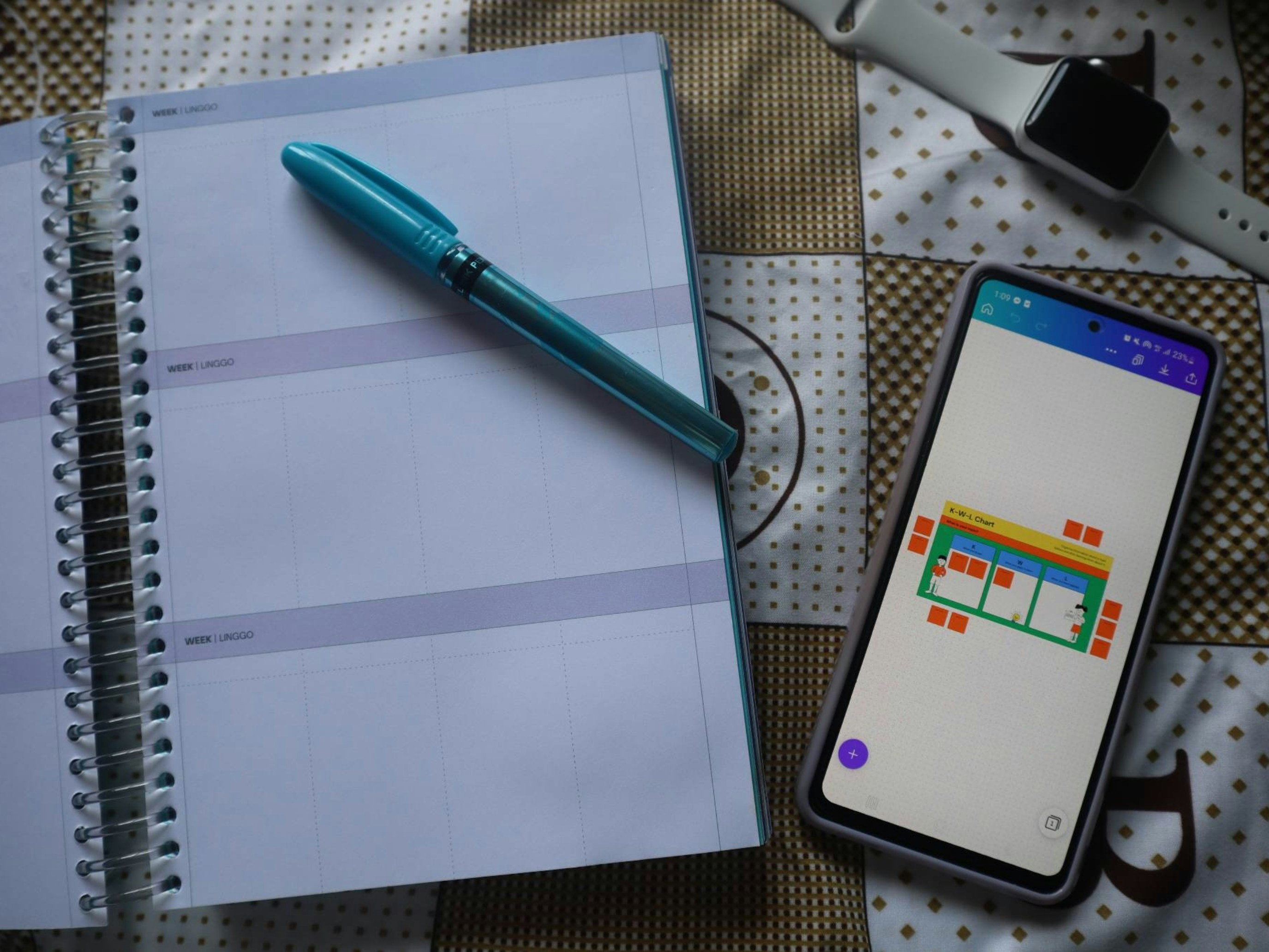
Introduction to Digital Planning
A digital planner is an electronic version of traditional paper planners, designed to assist individuals in organizing their schedules, tasks, and projects more efficiently. Unlike paper planners, digital planners offer a suite of innovative features that greatly enhance usability and accessibility. Users can create, modify, and track their goals seamlessly in a digital format, allowing for a more dynamic planning experience.
One of the primary benefits of utilizing a digital planner over its paper counterparts is the enhanced flexibility it provides. Users can instantly adjust their plans as needed, set reminders, and synchronize their data across devices, ensuring that they are always up to date. This syncing capability is particularly beneficial for those who switch between multiple devices, such as smartphones, tablets, and computers. With the ability to sync a digital planner across devices, users can access their plans anytime and anywhere, which greatly increases productivity and reduces the chances of missing appointments or deadlines.
Additionally, there are multiple types of digital planners available to cater to various preferences and needs. Some digital planners are application-based and can be downloaded on devices, while others are web-based and accessible through internet browsers. Some users may prefer specialized planning tools that focus on specific areas such as budgeting or health management, while others may seek all-in-one solutions that encompass a broad range of planning needs. Regardless of the type chosen, the key aspect remains the ability to sync a digital planner across devices, thus ensuring that information is current and easily accessible as users navigate their busy lives.
Choosing the Right Digital Planner for You
In today’s fast-paced world, selecting an appropriate digital planner is crucial for effective time management and organization. With numerous applications and software available, it is essential to consider your specific needs and preferences when deciding on the best option. Evaluating various digital planners can significantly enhance your ability to sync your digital planner across devices, ensuring streamlined access to your schedules and tasks.
Primarily, identify the features that are most important to you. If you emphasize visual layout, you might be drawn to planners with customizable aesthetics and templates. Conversely, if functionality is your priority, look for planners that offer task categorization, reminders, and integration with other productivity tools. The availability of these features can greatly influence how effortlessly you can sync your digital planner across devices.
Compatibility is another critical factor in your decision-making process. Ensure that the planner you choose can seamlessly integrate with your devices, whether you use a laptop, tablet, or smartphone. Many digital planners are designed with specific platforms in mind, while others offer cross-platform capabilities. Read reviews and do ample research to ascertain how well each application performs across different operating systems and devices.
Your planning style also plays a significant role in selecting a digital planner. Some users prefer a straightforward, minimalist interface, while others may opt for planners that include diverse organizational tools and features. Understanding how you plan and prioritize tasks can guide you toward a digital planner that enhances your productivity and allows you to effectively sync your digital planner across devices.
Ultimately, taking time to explore the diverse options available will enable you to find a digital planner that not only meets your needs but also contributes to a cohesive planning experience across all your devices.
Understanding Cloud Technology
Cloud technology has revolutionized the way we store and access digital information, providing a robust framework that facilitates seamless integration across multiple devices. At the core of cloud technology is a network of remote servers that store and manage data, essentially removing the constraints of traditional storage systems. This network allows users to sync digital planners across devices effortlessly, ensuring that your planning tools are always current, no matter what device you are using.
When utilizing a digital planner, cloud technology enables real-time updates. Changes made on one device can be instantly reflected on all other devices connected to the same cloud service. This capability is crucial for maintaining organization, as it eliminates discrepancies that arise from using multiple devices. Consequently, users can depend on their digital planners, whether they are accessing them from a desktop, tablet, or smartphone.
Additionally, cloud services provide an essential layer of data backup. Storing your digital planner in the cloud protects against data loss due to hardware failures or accidental deletions. Users can feel secure knowing that their planning information is backed up and easily retrievable. Moreover, cloud technology enhances accessibility; users can access their planners from any internet-connected device, making it particularly useful for individuals who often shift between environments, such as home, work, or travel.
The integration of cloud technology into digital planning tools signifies a shift towards greater flexibility and reliability. By understanding how to sync digital planners across devices through cloud solutions, users can maximize their productivity and ensure that their planning processes remain uninterrupted and efficient.
Setting Up Your Digital Planner on One Device
To effectively sync your digital planner across devices, the initial setup on a single device is crucial. Begin by selecting a digital planner application that suits your needs, ensuring it offers robust features such as task management, calendar integration, and customizable templates. Popular options include Notion, Todoist, and Goodnotes, each providing unique functionalities that could enhance your planning experience.
Once you have chosen a digital planner, proceed with the installation process. For most applications, visit the official website or download it from your device’s app store. Follow the on-screen instructions to complete the installation. It is advisable to create an account if prompted, as this will facilitate the future syncing of your digital planner across devices.
After installation, explore the basic features that your digital planner offers. Familiarize yourself with the interface, which typically includes a navigation menu and a main workspace. Start by creating your first planner page or project. You can add tasks, set reminders, and even categorize your tasks with tags or folders. Furthermore, adjust display settings such as themes or layouts to personalize your experience.
Make it a priority to save your initial setup regularly to prevent any loss of information. Some planners also offer auto-save features, ensuring your data is consistently backed up. With your digital planner successfully set up on one device, you are ready to organize your tasks effectively. This preliminary configuration will lay a solid foundation for the next steps in seamlessly syncing your digital planner across devices.
Linking Multiple Devices for Syncing
To effectively sync your digital planner across devices, the first essential step is ensuring that all devices are linked to the same user account. Most digital planner applications require you to create an account, which facilitates synchronization of data across multiple platforms. Whether you are using a smartphone, tablet, or computer, ensure that you log in with identical credentials to access your planner on each device.
Once you have established the same account on all devices, open your digital planner application and navigate to the settings or synchronization menu. Many applications feature an option for syncing under the settings tab, where you can manually initiate a sync process or enable automatic syncing. Auto-syncing is particularly beneficial as it saves you from having to remember to update your calendar or tasks frequently.
In addition to using the same account, it is important to ensure that all devices are running the latest version of the application. Updates to the application may contain vital improvements related to syncing performance and bug fixes. Failing to update can lead to syncing issues, such as missing or outdated information. Visit your device’s app store to check for and install any available updates.
For users who are navigating multiple devices with varying operating systems, it is essential to check compatibility. Many digital planners now offer cross-platform functionality, but this is not universal. Verify that your application runs smoothly across the operating systems in use, whether it is iOS, Android, Windows, or macOS. This will facilitate a seamless experience when trying to sync your digital planner across devices.
Troubleshooting Syncing Issues
Syncing a digital planner across devices can significantly enhance productivity; however, users often encounter various issues during the process. Understanding these common problems and how to address them can help ensure a seamless experience. One of the most frequent issues is a poor internet connection. A stable internet connection is crucial for proper syncing. If you notice that your planner is not updating, first check your Wi-Fi or mobile data connection. Temporarily disabling and re-enabling it may resolve connectivity problems.
Another common challenge is related to account synchronization. Ensure that you are logged into the same account across all devices using your digital planner. Sometimes users inadvertently create multiple accounts or log in with different credentials. This can lead to discrepancies in the data displayed on each device. Always confirm that you are using the correct account and check if there are any email verification steps pending.
Another potential issue lies in software compatibility. Make sure that all devices are running the latest version of the digital planner application. Outdated software could hinder proper syncing. Check for updates in the respective app stores and perform any necessary installations. Additionally, clearing the app cache may help eliminate potential bugs that disrupt syncing. Go to your device settings, find the app, and select the option to clear cache, then try syncing again.
Lastly, occasionally, server downtime or maintenance from the digital planner provider can cause temporary syncing issues. Check the official website or social media channels of the application for any announcements related to server status. If all else fails, contacting customer support may provide specific solutions tailored to your situation, helping you resolve any lingering issues quickly and efficiently.
Ensuring Data Security and Privacy
Data security and privacy are paramount when utilizing a digital planner. As more individuals and organizations rely on syncing digital planners across devices, the necessity for robust cybersecurity measures has increased significantly. Potential threats, including unauthorized access and data breaches, can compromise personal or professional information stored within digital planners.
One critical feature to consider is encryption. This process involves converting data into a code to prevent unauthorized access during transmission and storage. Many digital planners utilize end-to-end encryption, which ensures that only the authorized user can access their information. By implementing planners that prioritize this level of encryption, users can enhance their confidence in data security.
Additionally, adopting strong, unique passwords is vital. A weak password can become a vulnerability, allowing malicious actors easy access to sensitive planning data. Users should employ a combination of upper and lowercase letters, numbers, and symbols to create robust passwords. Furthermore, considering the adoption of two-factor authentication can add an extra layer of security, requiring not just a password but also a verification code sent to a trusted device.
Regularly updating software and understanding the privacy policies of digital planner applications are equally essential. Developers frequently release updates to address security vulnerabilities and improve features. Staying informed about these updates helps ensure your digital planner remains secure. It is also prudent to review privacy policies, allowing users to comprehend how their data is stored and handled—ensuring that planners sync digital planner across devices in a secure manner.
In conclusion, prioritizing data security and privacy within digital planners is essential for safeguarding personal information. By leveraging encryption, strong password protocols, and regular software updates, users can confidently use their digital planners across devices.
Advanced Features for Enhanced Productivity
Digital planners have evolved beyond basic scheduling tools, offering a multitude of advanced features designed to enhance productivity for users across devices. One prominent feature is the seamless integration of digital planners with existing calendars, such as Google Calendar or Outlook. This functionality allows users to view all their commitments in one place, streamlining the process of managing appointments and deadlines. By syncing your digital planner across devices, you can ensure that updates made on your phone, tablet, or computer are reflected universally, reducing the risk of double-booking or missing important events.
Additionally, many digital planners now include task management capabilities, enabling users to create, assign, and track tasks effectively. Features such as priority settings, due dates, and recurring tasks help users maintain focus on their objectives. When a digital planner is integrated seamlessly across devices, updating task completion and priority settings can be done instantaneously, ensuring that you are always on top of your to-do list, no matter where you are.
Another key advanced feature is the robust reminder system many digital planners offer. Users can set reminders for tasks, appointments, and critical deadlines, which can be delivered via push notifications or emails. This proactive approach supports better time management by keeping important activities at the forefront of a user’s mind. Moreover, syncing these reminders across devices ensures that you receive alerts wherever you are, helping to prevent delays and fostering a more productive lifestyle.
Incorporating these advanced features not only maximizes the utility of a digital planner but also transforms it into a centralized hub for productivity. By taking advantage of integration with calendars and task management tools, users can truly enhance their organizational capabilities and keep their projects on track.
Conclusion and Final Thoughts
As we have explored in this blog post, effective digital planning is essential for maintaining organization and productivity in today’s fast-paced world. Syncing your digital planner across devices is a powerful feature that can enhance your ability to manage tasks, schedules, and projects seamlessly. By taking advantage of various digital tools and applications designed for this purpose, you can ensure that your planner is always up-to-date and accessible, no matter where you are.
Throughout the discussion, we examined several pivotal steps necessary for achieving optimal synchronization of your digital planner. From choosing the right planner application to utilizing cloud services for real-time updates, these steps pave the way for a smoother planning experience. Additionally, the importance of understanding the settings within these applications for efficient sync cannot be overstated. It is crucial to regularly sync data and verify that all devices reflect the same information.
We also acknowledged the potential for challenges, such as platform compatibility issues and the occasional need for manual updates. However, the benefits of being able to access your planner on multiple devices greatly outweigh these drawbacks. Embracing the capabilities of modern technology will ultimately empower you to stay organized and productive.
In summary, as you transition into digital planning, remember to prioritize syncing capabilities across your devices. This not only enhances your workflow but allows for greater flexibility in managing your commitments. By integrating these strategies into your routine, you can fully harness the potential of a digital planner, facilitating a more structured and efficient approach to your daily life.