
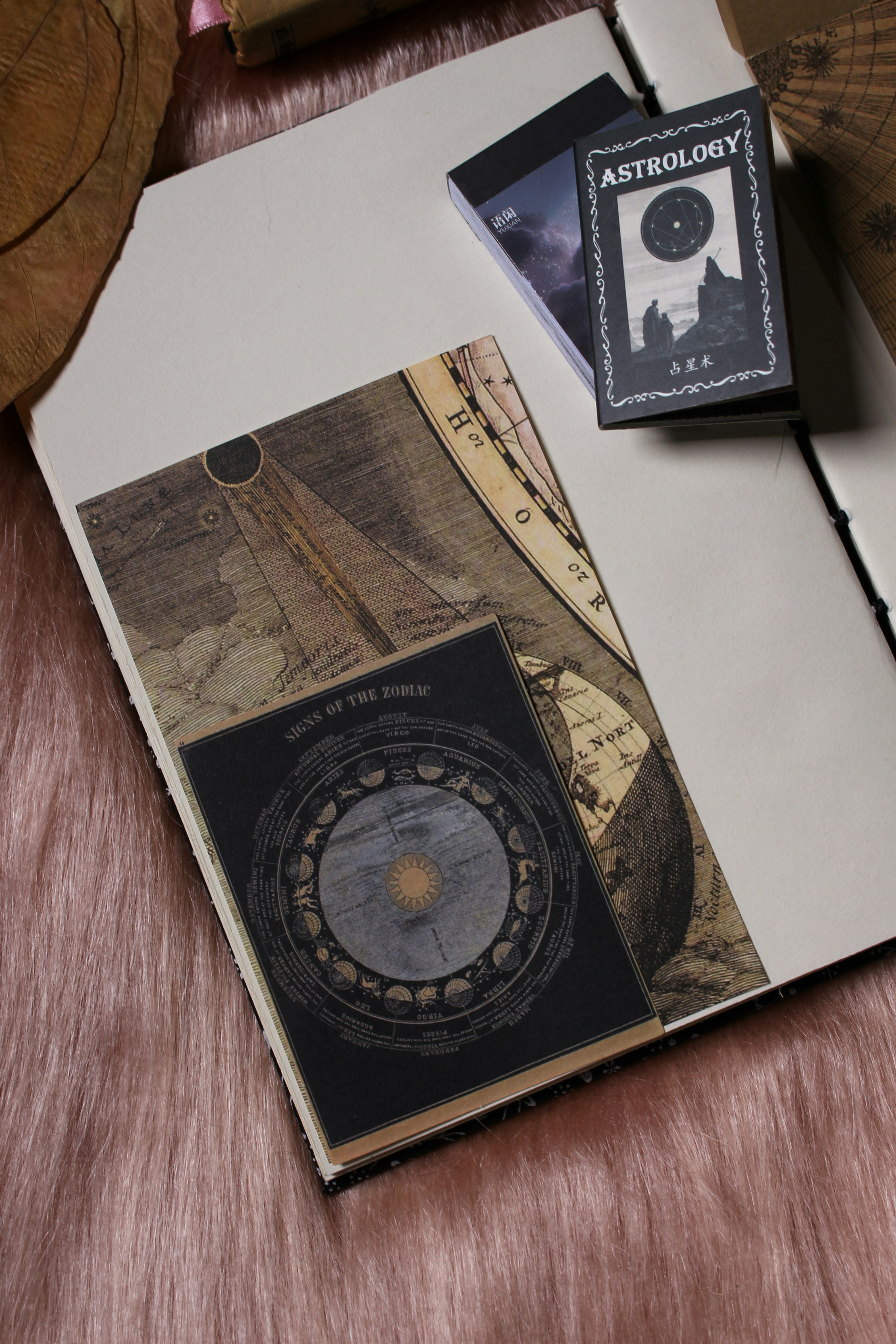
Introduction to Natal Charts
A natal chart, also known as a birth chart, is a personalized representation of the positions of celestial bodies at the exact moment of an individual’s birth. This chart serves as an astrological blueprint that delineates various attributes of personality, potential life paths, and even challenges that a person may encounter throughout their life. Each natal chart is unique, as it depends on the date, time, and location of birth, allowing for a comprehensive exploration of an individual’s inherent traits.
In astrology, the significance of a natal chart cannot be overstated. It serves as a tool for understanding oneself on a deeper level, revealing key components such as the sun sign, moon sign, and rising sign—each representing different aspects of the self. The sun sign indicates the core essence of a person; the moon sign reflects emotional depth and inner moods, while the rising sign, or ascendant, portrays the outer personality and how one is perceived by others.
The calculation of a natal chart involves the precise alignment of the planets and their aspects, which are measured against the twelve sectors known as houses. Each house represents different domains of life, such as career, relationships, and personal development. By analyzing these elements, one can glean insights into their motivations, strengths, and inherent challenges.
Understanding a natal chart invites individuals to delve into self-exploration and personal growth. It provides an avenue for realizing one’s potential and navigating life’s complexities with greater awareness. Embracing the cosmic influences captured within a natal chart can lead to empowerment, fostering a more profound connection to both oneself and the universe at large.
The Elements of a Natal Chart
A natal chart, often referred to as a birth chart, serves as a celestial snapshot of the sky at the exact moment of an individual’s birth. It comprises several key elements including the sun sign, moon sign, rising sign (or ascendant), the twelve houses, and the planets. Each component plays a crucial role in shaping the astrological profile of a person, offering insights into their personality, emotions, and life path.
The sun sign is perhaps the most well-known aspect of astrology, representing one’s core identity and conscious self. This sign signifies the traits that are most recognizable to others and often governs one’s primary motivations and ego. However, it is essential to consider the moon sign, which embodies the emotional and instinctive side of an individual, reflecting their inner world and subconscious drives. The rising sign is equally significant, as it indicates how a person presents themselves to the outside world and influences first impressions.
Additionally, the chart is divided into twelve houses, each governing different areas of life, such as relationships, career, and home. The planets within these houses contribute unique energies and characteristics to enhance the interpretation of an individual’s experiences. For instance, the placement of Venus in a house can shed light on one’s relationships and aesthetic preferences, while Mars indicates how one asserts themselves and their ambitions. The interactions between the planets, known as aspects, can complicate or harmonize the energies, further enriching the natal chart’s insights.
In summary, the intricate web of the sun, moon, rising sign, planets, and houses collectively offers a profound understanding of an individual’s traits and potential life experiences. By studying these components closely, one can gain valuable insights into their personal journey and the influences that shape their existence.
Understanding the Sun Sign
The sun sign holds a pivotal role in the interpretation of a natal chart, representing the core essence of an individual. It is the position of the sun at the time of a person’s birth, which influences their ego, identity, and overall self-expression. Essentially, the sun sign serves as the foundation of one’s personality, guiding how one engages with the world and perceives themselves within it.
Each sun sign corresponds to a specific zodiac sign and embodies distinct traits, tendencies, and characteristics. As such, the sun sign encapsulates the primary forces that shape an individual’s life experiences and reactions. For example, individuals born under the sign of Aries may showcase leadership qualities and assertiveness, whereas those with a Taurus sun sign often exhibit reliability and practicality. This diversity of sun sign attributes highlights the complexity of human behavior and the myriad ways individuals approach life.
To interpret one’s sun sign effectively, it is essential to consider not just the individual traits associated with that sign, but also how they manifest in one’s daily interactions. Moreover, it is useful to explore how the sun sign interacts with other elements of the natal chart, such as the moon sign and rising sign, to gain a more comprehensive understanding of personality dynamics. By analyzing these components, individuals can glean valuable insights into their motivations, challenges, and strengths. This deeper understanding can serve as a guiding force in personal development, contributing to enhanced self-awareness and fulfilling relationships.
The Importance of the Moon Sign
The moon sign is a fundamental aspect of astrology that reveals an individual’s emotional landscape. While the sun sign often captures a person’s core personality and conscious self, the moon sign delves deeper into the realms of emotions and inner feelings. This celestial body represents our instincts, habits, and subconscious reactions, offering insights into how we respond to life’s challenges and opportunities.
Understanding the moon sign allows individuals to gain a more comprehensive view of themselves, as it complements the sun sign and provides a fuller picture of their emotional needs and tendencies. For instance, someone with a sun sign in expressive Leo may possess a moon sign in sensitive Cancer. This combination offers a fascinating dynamic; the outgoing nature of Leo can be softened by the nurturing qualities associated with Cancer, indicating a balance between the desire for recognition and the need for emotional security.
The moon sign influences various areas of life, including relationships, self-care practices, and coping strategies. Each moon sign carries specific traits and attributes; for example, those with a Taurus moon often seek stability and comfort in their emotional lives, while a Sagittarius moon might crave adventure and freedom. This emotional inclination shapes how individuals interact with others, manage stress, and fulfill their emotional needs. Consequently, the moon sign serves as a compass for individuals navigating their feelings and understanding their emotional reactions.
Incorporating moon sign insights into personal growth strategies can enhance emotional intelligence, helping individuals become more aware of their triggers and motivations. Recognizing how the moon sign plays a role in shaping one’s emotional responses is crucial for developing a balanced and fulfilling life.
Rising Sign and Its Impact
The rising sign, also known as the ascendant, plays a crucial role in astrological analysis and understanding an individual’s outward presentation to the world. It represents the sign that was ascending on the eastern horizon at the time of one’s birth and is pivotal in shaping personal characteristics and public persona. Essentially, the rising sign serves as a mask that one presents to others, influencing first impressions and initial interactions.
A person’s rising sign not only determines how they are perceived by others but also significantly impacts their physical appearance, demeanor, and approach to life. For instance, individuals with Aries rising may come across as bold and assertive, immediately capturing attention. In contrast, someone with Taurus rising may exude calmness and stability, often making them appear approachable and grounded. This distinct personality manifestation highlights the importance of the rising sign in shaping one’s unique identity.
Furthermore, the ascendant can dictate traits such as communication style and social energy. Individuals with air signs as their rising sign, such as Gemini or Libra, tend to possess a natural charm and sociability, making them likable and friendly to those around them. On the other hand, those with a water sign rising, like Cancer or Scorpio, may appear more introspective and sensitive, often leading to deeper emotional connections. The rising sign is, therefore, a vital indicator of how one engages with the world and navigates social dynamics.
In conclusion, the rising sign significantly influences how individuals present themselves and interact with their surroundings. Understanding this aspect of a natal chart can provide valuable insights into personal and interpersonal dynamics, allowing individuals to harness their strengths and address potential challenges in their social interactions.
The Twelve Houses and Their Meanings
The twelve houses in an astrological natal chart serve as a framework for interpreting various aspects of an individual’s life. Each house corresponds to specific themes and experiences, providing insight into personal characteristics and life events. Understanding the houses can enhance a personalized natal chart reading, transforming abstract celestial positions into tangible insights.
1. First House: Often referred to as the House of Self, the first house governs personal identity, appearance, and the way one initiates experiences. The sign on the cusp of this house often indicates how a person projects themselves into the world.
2. Second House: This house relates to material possessions, values, and financial security. It reflects how one approaches wealth and what they value most in life.
3. Third House: Focused on communication, learning, and immediate environments, the third house reveals how individuals connect with their surroundings and express themselves.
4. Fourth House: Known as the House of Home, it signifies one’s roots, family dynamics, and emotional foundations, outlining what home means to an individual.
5. Fifth House: This house governs creativity, self-expression, and romance. It highlights how one pursues joy and artistic endeavors.
6. Sixth House: Emphasizing health, daily routines, and work, this house indicates how individuals approach their responsibilities and overall wellness.
7. Seventh House: The House of Partnerships focuses on one-on-one relationships, signifying romantic partnerships and significant collaborations.
8. Eighth House: This house pertains to transformation, intimacy, and shared resources, often representing how one deals with deep emotional connections and matters of mortality.
9. Ninth House: Spotlighting philosophy, higher learning, and travel, the ninth house reveals one’s quest for knowledge and broader horizons.
10. Tenth House: Representing career, ambition, and public standing, this house describes professional aspirations and societal roles.
11. Eleventh House: Focused on friendships, community, and aspirations, it showcases how individuals connect with group dynamics and social networks.
12. Twelfth House: This house encompasses spirituality, secrets, and the subconscious. It signifies inner development and personal healing processes.
Interpreting the planets in each house adds depth to these meanings, as their positions can further specify how individuals experience each aspect of life. A natal chart reading that integrates the houses provides a comprehensive perspective of what one’s birth chart reveals about their journey through life.
Aspects in Astrology: Building Connections
In astrology, aspects play a crucial role in shaping the narrative of a birth chart. An aspect refers to the specific angles formed between planets and points within the natal chart. These angles reveal the relationships, or connections, between different celestial bodies, influencing various character traits and life experiences.
There are several major aspects in astrology, each with unique meanings and implications. The most well-known major aspects include the conjunction, sextile, square, trine, and opposition. A conjunction occurs when two planets are very close together, suggesting a blending of their energies and characteristics. This can enhance the traits represented by each planet and create a strong emphasis on the themes they represent.
The sextile aspect, which forms a 60-degree angle between planets, indicates harmony and a potential for opportunity. It typically signifies support, ease, and the ability to work collaboratively. On the other hand, the square aspect, which forms a 90-degree angle, often symbolizes tension and challenges. This aspect prompts growth through confronting difficulties, harnessing the intense energy to propel one’s development.
Trines, which form a 120-degree angle, are considered very favorable, indicating a flow of energy that promotes talents, creativity, and ease in expression. Lastly, the opposition (180 degrees) highlights contrasting forces, which can lead to awareness or conflict regarding opposing traits within one’s character.
Understanding these aspects and their implications can greatly enhance the interpretation of a natal chart. By analyzing the connections formed by different celestial bodies, individuals can gain profound insights into their personality, motivations, and life path. This exploration of aspects allows for a deeper comprehension of oneself, fostering personal growth and awareness.
Practical Applications of Your Natal Chart
Your natal chart serves as a personalized roadmap that can significantly influence various aspects of your life. By interpreting the unique placements of planets and their relationships at the time of your birth, you can gain valuable insights into your personality, strengths, weaknesses, and life path. One of the most practical applications of a natal chart is in the realm of personal development. Understanding your inherent traits allows you to work on areas that may need improvement while also embracing your natural gifts.
Moreover, the knowledge gained from a natal chart reading can assist you in making informed decisions. For example, if your chart reveals a tendency toward introversion, you might choose to seek out environments that support your need for solitude rather than overwhelming social settings. Similarly, awareness of astrological transits can guide you in timing significant life changes, such as career moves or personal relationships, ensuring they align with favorable cosmic conditions.
In navigating life’s challenges, a natal chart becomes a tool for self-awareness. It reveals specific stress points and patterns that may arise during different phases of your life. Thus, when facing difficulties, reflecting on your astrological influences can offer reassurance and clarity. Additionally, it creates a greater understanding of how you interact with others, empowering you to cultivate more harmonious relationships.
Lastly, engaging with your natal chart fosters a deeper connection to yourself. As you revisit its themes and revelations, you develop a continuous dialogue with your own psyche, promoting growth and resilience. This practice underscores the overarching value of astrology as a guide for personal reflection, deliberate action, and emotional intelligence.
Conclusion: Embracing Your Astrological Identity
Understanding your natal chart is more than just a look into your astrological makeup; it serves as a profound tool for personal growth and self-discovery. Each element of your birth chart, from your sun sign to your moon sign and rising sign, contributes to your unique personality and life path. By analyzing these components, individuals can gain valuable insights into their strengths, weaknesses, and areas for potential improvement. This analysis not only enhances self-awareness but can also guide you in making more informed life choices.
Furthermore, embracing your astrological identity can lead to a greater sense of acceptance and empowerment. Recognizing the traits outlined in your personalized natal chart allows you to acknowledge your individuality and cultivate a deeper appreciation for yourself. Rather than viewing a natal chart as a strict determinant of your fate, consider it as a map that highlights various directions you could take, illustrating a spectrum of possibilities based on your celestial influences.
For those intrigued by the depths of astrology, diving deeper into your soul’s journey through the cosmos can be an enriching experience. Engaging with your astrological chart often reveals patterns and relationships that otherwise might go unnoticed in everyday life. Techniques such as chart comparisons with family and friends can offer additional perspectives, enhancing interpersonal relationships. In this respect, astrology becomes not just a tool for self-exploration but also a vehicle for understanding connections with others.
In conclusion, embracing your astrological identity through a comprehensive interpretation of your natal chart can illuminate various facets of your personality. It empowers you to harness your innate potential, fostering an ongoing journey of self-discovery and personal development. Thus, as you explore astrology, remain open to the ways it can enrich your life and deepen your understanding of both yourself and the universe.