
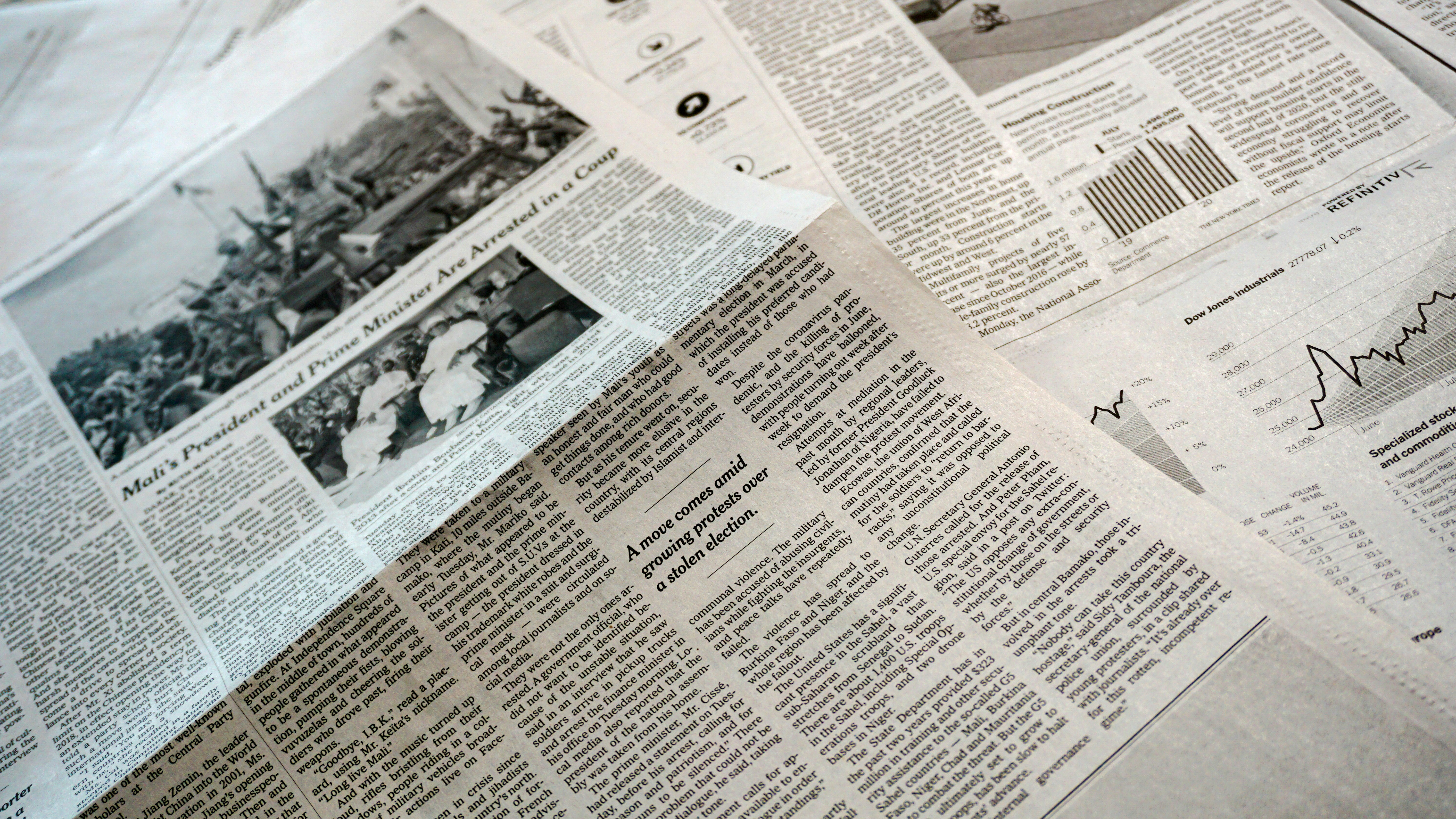
The Evolving Landscape of Journalism
In recent years, the field of journalism has undergone a transformation driven primarily by technological advancements and the advent of digital platforms. The traditional methods of news gathering, reporting, and dissemination are increasingly being overshadowed by innovative digital tools that enhance the efficiency and effectiveness of journalism. The rise of online news sources, social media platforms, and mobile reporting applications has not only changed how news is consumed but also how it is produced and shared.
As the landscape evolves, journalists find themselves navigating a more complex environment. The demand for immediate, accurate, and multifaceted information has intensified. This shift has resulted in a greater need for journalists to be well-organized and agile in their workflows, prompting the exploration of various organizational tools. A digital planner for journalists has emerged as a vital resource for managing the intricacies of their tasks amidst this evolving backdrop.
Journalists today are required to wear multiple hats as they often engage in research, writing, social media management, and multimedia content creation. The abundance of platforms and formats necessitates a systematic approach to handle competing priorities and deadlines effectively. By utilizing a digital planner specifically designed for journalists, they can streamline their processes, prioritize their work, and maintain a consistent output of quality content. This convergence of tasks and tools signifies the increasing importance of adaptability in modern journalism.
With advancements in technology, journalists are not only expected to create compelling narratives but also to engage with audiences in real-time, produce multimedia elements, and analyze data. Therefore, those who embrace digital planning tools will be better equipped to meet these challenges, ensuring they remain relevant and impactful in an ever-changing field. Ultimately, the integration of a digital planner for journalists aligns with the broader trends of digital transformation in the journalism sector, enabling professionals to thrive in a competitive space.
Understanding Digital Planners: What Are They?
A digital planner is a modern organizational tool designed to streamline scheduling, task management, and information tracking, particularly useful for professionals such as journalists. Unlike traditional paper planners, which may restrict creativity and flexibility, digital planners leverage technology to offer a dynamic interface that can be accessed on various devices, from smartphones to tablets and laptops.
One of the key features of a digital planner for journalists is its ability to integrate a multitude of functions in one platform. Journalists often juggle several assignments at once, necessitating a sophisticated approach to time management. Digital planners frequently include calendar functionalities, to-do lists, and note-taking capabilities, allowing journalists to organize their workload efficiently. Moreover, they often support synchronization across devices, ensuring that information is updated in real time, no matter where the journalist is working.
Collaboration is another aspect where digital planners significantly outshine their traditional counterparts. Many digital planners allow for shared access to projects or schedules, facilitating team communication and data sharing. Additionally, some versions come equipped with features such as real-time comments and editing, making it easier for journalists working in teams or on joint projects to coordinate their efforts effectively.
Furthermore, digital planners can be customized to suit individual preferences and workflow styles. This personalization might include color-coding tasks, setting reminders, and incorporating multimedia elements such as audio notes or images. In essence, the digital planner for journalists is not merely a scheduling tool; it is a comprehensive organizational solution that caters to the diverse needs of today’s fast-paced journalistic environment.
Key Benefits of Using a Digital Planner for Journalists
In the fast-paced world of journalism, effective time management is essential for maintaining productivity and meeting tight deadlines. A digital planner for journalists offers a comprehensive tool that enables individuals to organize their schedules effectively. By allowing for the creation of customizable calendars, journalists can set reminders for pressing deadlines, track assignment statuses, and allocate time for research and interviews—all in one convenient location. This level of time management minimizes the chance of missing critical deadlines while maximizing productivity.
Moreover, collaboration plays a pivotal role in journalism. Using a digital planner facilitates enhanced teamwork by allowing multiple journalists to work on shared projects seamlessly. Team members can easily access the same planner, making it simpler to coordinate schedules, collaborate on stories, and assign responsibilities. This shared functionality helps to eliminate miscommunication and ensures everyone is on the same page regarding project timelines and expectations.
Another significant advantage is the streamlining of workflows. With a digital planner, journalists can integrate various tools and applications that enhance their workflow. Features such as note-taking, resource linking, and document storage create a centralized hub for all necessary information. This alleviates the hassle of switching between multiple applications and fosters increased efficiency. Journalists can compile their research notes, interview summaries, and story outlines in one place, thus reducing the time spent searching for information.
Finally, the capacity for quick access to notes and resources is invaluable for journalists who often work under high-pressure conditions. A digital planner allows for easy retrieval of information at a moment’s notice, ensuring that journalists can provide accurate quotes, verify facts promptly, and maintain the overall integrity of their stories. Thus, the implementation of a digital planner for journalists profoundly enhances daily operations and workflow.
Integrating Digital Planners with Journalism Tools
In the fast-paced world of journalism, efficiency and organization are paramount. A digital planner for journalists serves as a valuable tool that can integrate seamlessly with various journalism software and tools, creating a cohesive and effective working environment. This integration enhances the journalist’s ability to manage tasks, deadlines, and resources effectively.
One notable benefit of using a digital planner is its compatibility with content management systems (CMS) like WordPress or Drupal. Journalists can use their planners to keep track of article ideas, drafts, and publication schedules, directly linking tasks with the CMS. This connection allows for streamlined workflows and ensures that journalists can monitor the status of their stories in real-time.
Furthermore, many journalists rely on social media scheduling tools, such as Hootsuite or Buffer, to promote their articles across various platforms. By incorporating a digital planner, journalists can schedule posts and campaigns in conjunction with their content calendar. This enables them to align their social media strategy with their publishing schedule, maximizing the outreach of their work while minimizing the risk of oversight.
Additionally, digital planners can also link to research databases such as Google Scholar or JSTOR, making it easier for journalists to access relevant information and resources. Journalists can keep track of sources, notes, and references within their planners, ensuring that critical research is readily available when needed. This functionality not only boosts productivity but also aids in maintaining the quality and integrity of the work.
Incorporating a digital planner into the journalist’s toolkit ultimately fosters a more organized workflow. By synchronizing with essential tools like content management systems, social media schedulers, and research databases, journalists can create a comprehensive ecosystem that supports their daily tasks and projects effectively.
Staying Organized: Managing Multiple Stories and Deadlines
In the fast-paced world of journalism, staying organized is not merely beneficial; it is critical. Journalists often juggle multiple stories, coordinate interviews, and meet tight deadlines, all while ensuring accuracy and thoroughness in their reporting. This multifaceted role demands robust organizational skills, and a digital planner for journalists can be an invaluable asset in achieving this level of organization.
A digital planner enables journalists to prioritize tasks effectively. By providing a centralized platform to outline daily responsibilities, journalists can streamline their workflows, ensuring that urgent tasks take precedence without neglecting longer-term projects. The ability to visualize tasks in a structured format helps to mitigate the stress that often accompanies overlapping deadlines. Furthermore, by utilizing features such as color coding and tagging, journalists can quickly identify which stories need immediate attention, thus enhancing their time management capabilities.
Alongside prioritization, a digital planner offers essential reminders for key deadlines. Journalists are frequently required to meet publishing dates, submit drafts, or conduct follow-ups with sources. The integration of reminder functions within digital planners serves as a safeguard against missing critical deadlines. Such reminders can be customized to ensure that they align with the specific needs of each journalist’s workflow, thus fostering a more proactive approach to deadline management.
Moreover, digital planners facilitate the collection and organization of story ideas and contacts, which are paramount in a journalist’s daily routine. By creating an easily accessible repository for pitches, notes, and potential interview subjects, journalists can efficiently turn fleeting ideas into compelling stories. In the bustling environment of newsrooms, this organized approach not only enhances creativity but also maintains a continuous flow of productivity.
In conclusion, a digital planner for journalists stands as an essential tool in managing the complexities of multiple stories and tight deadlines. Its capacity to prioritize tasks, set reminders, and keep sources organized allows journalists to maintain clarity in their work, promoting both efficiency and creativity in the journalistic process.
Enhancing Collaboration: Working with Teams and Sources
In the fast-paced world of journalism, effective collaboration is not just beneficial; it is essential. A digital planner for journalists provides a structured platform that facilitates seamless communication and project management across teams. This tool empowers journalists to streamline their workflows and enhance their productivity.
One of the key features of a digital planner designed for journalists is the ability to share notes and documents in real-time. This eliminates the barriers that often hinder collaboration, enabling team members to contribute ideas and insights from different locations. By centralizing information, journalists can collectively create and edit content, ensuring that everyone is on the same page regarding updates or changes.
Moreover, digital planners often come equipped with task assignment capabilities. This feature allows team leaders to delegate responsibilities clearly and efficiently. By assigning tasks to specific team members, a digital planner for journalists ensures accountability and allows for better tracking of progress. As tasks are completed, teams can easily update their status and share feedback, further facilitating an engaging collaborative environment.
Gathering feedback is another critical aspect of teamwork in journalism. Digital planners foster open channels for comments and critiques, which helps to improve the quality of work produced. Journalists can review each other’s contributions and provide constructive feedback, whether through comments directly on shared documents or through integrated chat functions. As a result, teams can refine their stories and develop cohesive narratives that resonate with their audience.
In conclusion, adopting a digital planner significantly enhances the collaborative capabilities of journalists. By facilitating communication, enabling task management, and promoting constructive feedback, these planning tools ensure that journalism teams can work effectively and efficiently in today’s dynamic environment.
Digital Planners and Workflow Customization
The evolution of digital planners has afforded journalists an unprecedented opportunity to tailor their workflows according to their individual needs. Unlike traditional paper planners, a digital planner for journalists is equipped with customizable features that can help streamline various tasks associated with reporting, editing, and publishing. This level of flexibility is essential in a fast-paced environment where efficiency dictates success.
Many digital planners allow users to design personalized templates that suit specific types of work. For instance, investigative journalists may create templates for different cases, while those focused on event coverage might develop formats for scheduling interviews and appointments. These templates ensure that relevant information is at their fingertips and can significantly reduce the time spent on administrative tasks.
Tagging systems are another vital component of digital planners. Journalists can categorize their notes and tasks based on themes, topics, or deadlines, making it easier to access the information swiftly. This organizational method streamlines the research process and helps maintain clarity in what can often be a cluttered landscape of ideas and responsibilities.
Furthermore, the implementation of checklists in a digital planner for journalists enhances productivity by providing clear objectives for each task. Journalists can break down larger projects into manageable steps, ensuring that nothing is overlooked. This method not only keeps projects on track but also fosters a sense of accomplishment as tasks are systematically checked off.
Overall, the customizable features of digital planners empower journalists to create a structure that resonates with their unique processes. By utilizing templates, tagging systems, and checklists, they can manage their time and resources more effectively, ultimately enhancing the quality of their work and their ability to meet deadlines.
Security and Data Management in Digital Planning
In an era where digital tools have become integral to journalism, the importance of protecting sensitive information cannot be overstated. Journalists often deal with confidential sources, unpublished materials, and personal data, requiring robust data management strategies. A digital planner for journalists not only facilitates organization but also presents unique challenges regarding security and privacy.
To safeguard sensitive information, it is essential to choose a reputable digital planner that prioritizes security features. Look for tools that provide end-to-end encryption, ensuring that data is protected both in transit and at rest. Regular software updates also enhance security by patching vulnerabilities, thus minimizing the risk of breaches. Moreover, selecting a planner that complies with data protection regulations, such as GDPR or CCPA, can provide additional peace of mind regarding the handling of personal and sensitive information.
Another best practice involves implementing strong password protocols. Utilizing unique, complex passwords and enabling two-factor authentication adds an extra layer of protection, making unauthorized access significantly more challenging. Additionally, maintaining routine backups of critical data ensures that in the event of loss or compromise, journalists can swiftly restore their information without debilitating disruptions to their work.
A digital planner for journalists should also offer options to manage access to specific content. By categorizing data and controlling permissions, it becomes feasible to share sensitive information selectively, thereby mitigating the risks of inadvertently exposing confidential sources or critical insights.
In conclusion, while digital planners are invaluable tools for enhancing productivity, it is paramount that journalists prioritize the security of their data. By integrating secure practices and utilizing reliable digital planners, journalists can protect their work and maintain the integrity of their profession in a digital-first world.
Conclusion: Embracing Digital Efficiency in Journalism
As the landscape of journalism continues to evolve in 2026, the necessity for journalists to adopt a digital planner becomes increasingly evident. Digital planners offer a myriad of benefits, enhancing organization and productivity in an age where information flows incessantly and deadlines loom ever closer. By utilizing a digital planner for journalists, one can streamline multiple tasks—such as scheduling interviews, setting reminders for article submissions, and tracking research notes—all in one convenient application.
Embracing a digital planner not only transforms how journalists manage their workloads but also significantly boosts efficiency. In a field where time is of the essence, the integration of technology facilitates faster information retrieval and seamless communication with team members and sources. This ability to quickly pivot and adapt in the fast-paced world of news reporting is invaluable. Furthermore, a digital planner’s capability for including multimedia elements such as audio recordings or images can enhance the storytelling process, allowing journalists to present their findings more effectively.
Ultimately, adopting a digital planner signifies a commitment to improving the quality of journalism. By enabling better time management, enhancing productivity, and facilitating collaboration, a digital planner for journalists serves as a powerful tool that aligns with the demands of modern journalism. As professionals in this field aspire to deliver accurate and timely news, it is imperative to harness the potential of digital tools. Investing in a digital planner not only prepares journalists to navigate the challenges of today but also equips them to succeed in an increasingly digital future.